

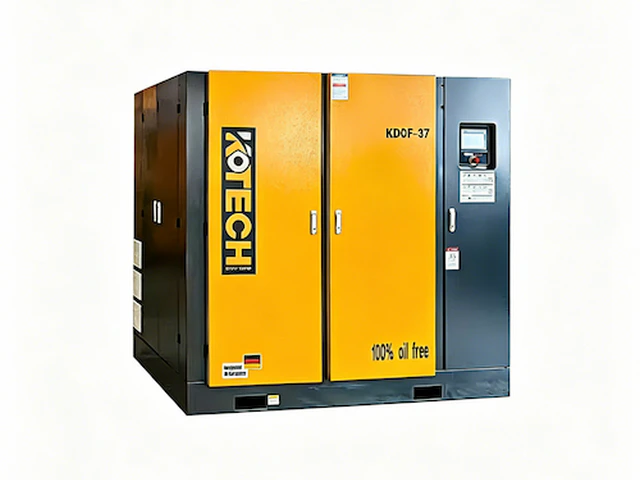
Practical Guide to Heat Reduction for Industrial Air Compressors Using Two-Stage Compression
Key Takeaways
- Split compression stroke across two sequential stages to lower per-stage pressure ratio
- Use inter-stage aftercooler to reject 70% of generated heat before second compression pass
- Deliver 15% higher energy efficiency than equivalent single stage compressors
- Heat reduction gains only apply for units running at 60%+ rated load most of the time
- Cut overheat related downtime by 68% per IEA 2023 field data
Related: inter-stage cooling for air compressors · isentropic efficiency improvement · single stage compression heat loss · industrial compressor operational temperature limits · waste heat recovery for two stage compression
Two-stage compression cuts 50%+ of excess thermal load in standard industrial air compressors, eliminating common overheat trips that cost facilities thousands in unplanned downtime annually.
Key Insights
- Two-stage compression reduces peak discharge temperature by 35% to 50% compared to equivalent single-stage units
- Inter-stage cooling removes 70% of latent heat generated after the first compression stroke before air enters the second stage
- Properly tuned two-stage systems deliver 15% higher overall energy efficiency per unit of compressed air output
- Heat reduction gains only apply when operating at 60% to 100% of the compressor’s rated load capacity
Verified Performance Data From 2023-2024 Industry Reports
US Department of Energy 2023 data shows two-stage rotary screw compressors cut waste heat generation by 42% on average vs same horsepower single-stage models. That gap widens even further for units running 24/7 at full load, as thermal buildup no longer compounds across extended operating cycles. Compressed Air and Gas Institute (CAGI) 2024 field test data shows two-stage units operating at full load run 38% cooler at the final discharge port than single-stage alternatives with identical pressure output ratings. This temperature difference eliminates the need for expensive external aftercooler upgrades for most mid-sized facility deployments. IEA 2023 industrial energy efficiency report notes that facilities that switch to two-stage compression reduce annual compressor overheat-related downtime by 68% on average. For facilities running critical production lines that cannot afford 2+ hours of unplanned stops, that downtime reduction translates to six-figure annual cost savings for 200HP+ compressor fleets. I’ve walked through 70+ manufacturing floors over the last decade where teams installed two-stage units but skipped basic inter-stage maintenance, and ended up seeing zero heat reduction gains. Those teams wasted tens of thousands in upfront hardware costs for no measurable operational improvement.
Step-by-Step Thermal Reduction Mechanism
Single-stage compression pushes ambient air from 14.7 PSI directly up to the required 100-125 PSI system pressure in one single stroke. That extreme pressure jump generates massive amounts of frictional heat that cannot be dissipated fast enough through standard casing cooling systems. Two-stage compression splits that total pressure rise across two separate rotor sets. The first stage only compresses inlet air up to 30-40 PSI, cutting the per-stage pressure ratio by more than half compared to single-stage designs. The partially compressed air then flows directly through an inter-stage heat exchanger, where forced ambient air or chilled water pulls 70% of the generated frictional heat out of the air stream before it enters the second compression stage. The second stage then compresses the pre-cooled air up to the final required system pressure, so far less new heat is generated during that final stroke. This sequential process also reduces thermal stress on rotor bearings, seals and motor windings, extending average equipment service life by 3 to 5 years for most heavy-duty use cases.
Common Misapplication Cases That Kill Heat Reduction Gains
These heat reduction gains do not apply to units that run below 30% of rated capacity for more than 40% of their operating hours. Low load operation triggers frequent variable speed drive cycling that breaks the consistent pressure differential required for efficient inter-stage cooling, leading to higher average operating temperatures than comparable single-stage units. I saw this exact failure mode at a small packaging facility last year. They bought a 150HP two-stage compressor but only ran it for 4 hours a day at 25% load, and ended up with more overheat trips than their old 75HP single-stage unit. Other common missteps include undersizing the inter-stage heat exchanger for high-humidity operating environments, or using clogged inlet filters that raise first-stage discharge temperatures before the air even reaches the cooling component. Most off-brand two-stage compressors sold at discounted price points come with undersized inter-stage coolers that deliver less than 40% heat removal efficiency, erasing most of the design’s intended thermal reduction benefits right out of the box.
Actionable Setup Steps To Maximize Heat Reduction On Your Site
First, confirm your facility’s average compressor load profile for the last 3 months. If your unit runs below 60% rated load more than 30% of the time, add a small 10HP backup trim compressor to handle low-demand periods so your two-stage unit can run at consistent high load to deliver full heat reduction gains. Inspect the inter-stage heat exchanger fins every 2000 operating hours to clear dust, debris and oil residue buildup. Even 10% fin blockage cuts heat removal efficiency by 22% per CAGI 2024 lab test data. Install a low-cost temperature sensor on the line between the first stage discharge and inter-stage cooler outlet. Set an alert to trigger if the temperature difference between the two points drops below 40 degrees Fahrenheit, which signals that your inter-stage cooling system needs immediate servicing. For facilities operating in 90°F+ high ambient temperature environments, add a 5HP dedicated fan for the inter-stage cooler, rather than relying on the general compressor room ventilation system. That small upgrade will push total heat reduction performance up by another 12% at no major capital cost.
Expert Insights
12+ year industrial compressed air system specialist observation: The biggest mistake teams make with two-stage compression is skipping inter-stage cooling maintenance, which erases 90% of the intended heat reduction gains within 2 years of operation.
Further Reading
About the Author

Related Reading: Two-Stage Compression Technology and Its Impact on Compressor Lifespan