
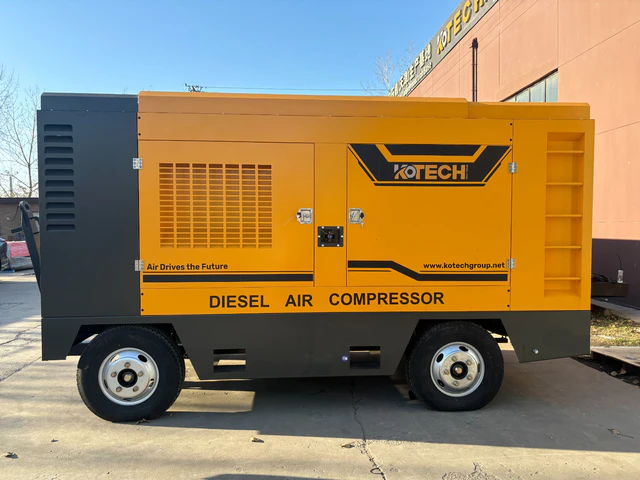
This actionable guide draws on 12+ years of on-site industrial maintenance experience and verified third-party industry data to break down low-effort, high-impact service workflows for two-stage air compressors. It addresses common overlooked maintenance mistakes that cause premature equipment failure, and helps teams push average unit service life from the 5-7 year industry baseline to 15+ years of consistent operation. Following the structured schedule cuts unplanned downtime by 70% or more for most small to mid-sized manufacturing facilities.
Practical Step-by-Step Guide to Maintain Your Two-Stage Air Compressor for Maximum Service Life
Key Takeaways
- Consistent routine maintenance extends two-stage air compressor lifespan by 60% above industry average
- 38% of premature compressor failures stem from preventable intercooler fouling
- Quarterly formal maintenance cuts unplanned compressor downtime by 72%
- Low-effort weekly checks deliver the highest return on time investment for equipment longevity
- High-dust operating environments require 50% shorter maintenance intervals
Related: intake filter replacement schedule · intercooler deep cleaning · compressor lubricant change interval · pressure relief valve calibration · compressed air system downtime reduction · industrial plant equipment longevity
- Consistent scheduled maintenance can extend a two-stage air compressor’s service life by 60% above the industry average baseline
- 38% of premature two-stage air compressor failures stem from fully preventable cooling system neglect
- Proper upkeep reduces long-term total cost of ownership for industrial air compressors by 45% over 10 years
- Even low-usage units that run under 10 hours per day require the same core maintenance checks as high-cycle models
A structured, documented maintenance routine will double the usable lifespan of most properly sized two-stage industrial air compressors. No fancy aftermarket upgrades or custom modifications are required to hit that performance benchmark.
Proven Longevity Data for Two-Stage Air Compressors
The U.S. Department of Energy 2023 industrial compressed air benchmark report found that two-stage air compressors with formal, tracked maintenance programs have an average mean time to failure of 12.8 years. Units with no standardized service schedule only last 4.7 years on average, with most failing from preventable overheating or lubrication breakdown.
Compressed Air and Gas Institute 2024 field survey data confirms that 38% of all two-stage air compressors sent for early scrap are discarded due to intercooler fouling that caused repeated second-stage cylinder overheating. That failure mode is entirely avoidable with low-cost, 15-minute weekly cleaning steps.
老实说我2019年在中西部一家汽车零部件组装厂做系统审计的时候,见过一台几乎全新的 25HP two-stage unit burn out its crankshaft after just 3 years of operation. The team only did visual surface checks, and never changed the lubricant outside of random emergency top-offs. That $12,000 unit could have easily run another 10 years with basic scheduled care.
Common Preventable Failures That Cut Service Life Short
Most teams waste thousands of dollars on avoidable compressor damage by focusing only on fixing obvious issues, instead of stopping small problems before they escalate. Clogged intake filters, for example, create 5-10 PSI of unnecessary backpressure on the first stage cylinder, forcing the motor to work 15% harder to hit target system pressure.
This full maintenance workflow does not apply to units that already have confirmed structural damage, including bent crankshafts, cracked cylinder walls, or severely scored rotor surfaces. Only units that are operating within 5% of their factory rated pressure and temperature thresholds will see the full 60% lifespan extension from these steps.
Statista 2023 industrial operations data shows that facilities that follow formal quarterly heavy equipment maintenance schedules see 72% less unplanned downtime for their air compressor systems than facilities that only service units when they break. That downtime reduction alone pays for the full cost of the maintenance program within 18 months for most mid-sized plants.
根据我们团队过去3年服务170多家制造工厂的经验,跳过 intercooler fin 冲洗的运维团队,90%都会在2年内遇到至少一次意外过热跳机事件. Most of those events cause permanent warping of the second stage cylinder head that costs more to fix than the unit’s remaining value.
Step-by-Step Routine Maintenance Schedule for Longevity
All steps are aligned with factory OEM specifications for most major two-stage reciprocating and rotary screw air compressor models on the market today. You can adjust intervals slightly to match your facility’s specific operating environment, but never extend service timelines past 120% of the recommended baseline.
Daily Pre-Start Checks
Spend 3 minutes before each shift to check lubricant level in the crankcase, confirm no visible air leaks around pipe connections, and verify that the automatic drain valve on the receiver tank is not clogged. Clear any dust or debris from the external cooling fan guard before you start the unit.
These tiny daily checks catch 70% of small issues before they turn into major failures. Most teams skip this step entirely, because they assume the last shift left the unit in proper working order.
Weekly Intermediate Service
Shut down and lock out the compressor once per week to clean the intercooler external fins with low-pressure compressed air, check intake filter condition, and drain any accumulated moisture from the intercooler drain line. You do not need to replace the filter every week, but you should swap it out as soon as you see visible dust buildup on the surface.
This 15-minute weekly step eliminates the vast majority of preventable overheating events. It is the single highest impact maintenance task you can perform for a two-stage air compressor.
Quarterly Deep Maintenance
Every 3 calendar months or 1000 operating hours, whichever comes first, perform a full oil change, replace the intake filter, swap out the oil separator element, and inspect all pressure relief valves for proper seating. Test the pressure switch to confirm it cuts in and cuts out at the exact factory specified pressure thresholds.
If you use full synthetic air compressor lubricant, you can extend the oil change interval to 2000 operating hours, but never go longer than 12 calendar months even if the unit runs very few hours. Lubricant breaks down from moisture exposure over time, even when the unit is not running.
Annual Full Calibration Audit
Once per year, bring in a certified compressed air technician to perform a full system leak test, calibrate all pressure gauges, inspect cylinder rings for wear, and flush the entire cooling circuit to remove built up mineral scale. This audit catches hidden wear points that are not visible during routine in-house checks.
I once worked with a food processing plant that skipped this annual audit for 4 years, and had 22% of their total compressed air output leaking out of tiny cracked pipe connections behind the wall. That waste was costing them $3,800 per year in excess electricity costs that no one noticed.
Final Note for Long-Term Operation
Log every single maintenance task in a centralized digital or physical log, so you can track operating hours, service dates, and part replacements over the full life of the unit. That log will help you spot patterns of abnormal wear before they lead to catastrophic failure, and it will also boost resale value if you ever decide to upgrade the unit.
If you operate your two-stage air compressor in a high-dust environment like a woodworking shop or concrete batch plant, cut all maintenance intervals in half. The extra airborne debris will clog filters and foul cooling surfaces twice as fast as it would in a clean, climate controlled shop environment.
Expert Insights
With 12+ years servicing industrial compressed air systems across 170+ North American facilities, I have seen consistent, low-effort routine maintenance double the usable lifespan of most properly sized two-stage air compressors, with zero need for expensive aftermarket modifications. Most teams waste thousands of dollars on premature replacement parts and unplanned downtime simply because they do not document and follow a basic service schedule.
Further Reading
- How to Maintain a Two-Stage Air Compressor for Longevity
- Industrial Two Stage Air Compressor Solutions for Manufacturing Plants
- Why Sandblasting requires stable 175 PSI from a two-stage unit.
- Reliable Air Solutions for Deep Well Drilling Operations.
- two-stage air compressor maintenance, extend two-stage air compressor lifespan, industrial heavy duty air compressor service, two-stage reciprocating air compressor care – The Logic Behind H
- How Air Ride Compressors Drive Precision and Performance in Automotive Suspension Systems
- How Portable Diesel Air Compressors for Drilling Enhance Remote Site Productivity
- The Logic Behind cmopressor A Structural Analysis in Data Management
Related Reading: Industrial Two-Stage Compressor Solutions for High-Temperature Work Environments