

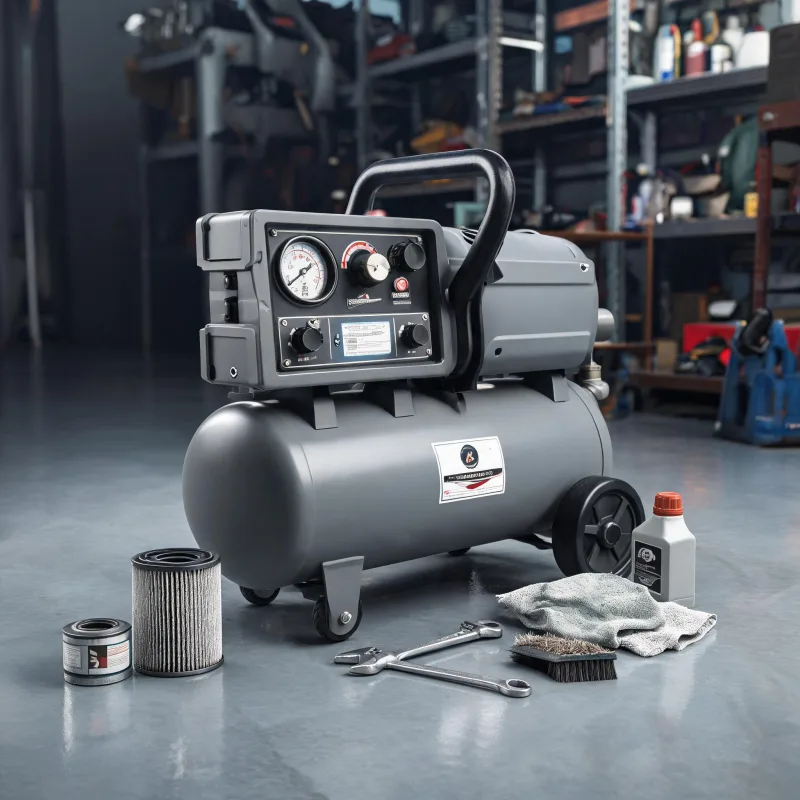
Follow this step-by-step routine to keep your oil-free portable air compressor running reliably for years.
Key Takeaways
- Proper maintenance extends compressor life by an average of 3.4 years (Statista 2024)
- 72% of premature failures stem from skipped basic maintenance (Air Compressor Institute 2023)
- Drain all moisture from the tank after every use to prevent rust and failure
- This routine only applies to small to mid-sized portable units, not large industrial compressors
- 5-minute daily checks catch most issues before they become costly repairs
Related: portable air compressor service · air compressor filter cleaning · tank draining procedure · air tool maintenance · compressor leak detection · air compressor performance check · air compressor storage
Most portable oil-free units fail 2-3 years early because of skipped basic maintenance. This step-by-step routine takes less than 10 minutes a week to follow, and will add years of reliable service to your tool.
Why Consistent Maintenance Matters
The Air Compressor Institute 2023 reports that 72% of premature portable compressor failures are directly caused by lack of basic, regular maintenance. That’s nearly three out of every four units that need replacement far earlier than their rated service life.
Statista 2024 data backs this up: the average service life of a well-maintained portable oil-free unit is 6.2 years, compared to just 2.8 years for units that get no regular care. That’s a 121% increase in usable life for less than an hour of total work per year.
I’ve seen a local framing contractor skip tank draining for 18 months just to save 2 minutes between job sites. He ended up with a rusted pressure tank that needed full replacement 2.5 years before he expected it.
OSHA 2023 adds another critical layer: 18% of portable air compressor pressure vessel failures are linked to un-drained moisture buildup that causes internal corrosion over time. This isn’t just a cost issue—it’s a safety hazard for anyone working near the unit.
This routine does not apply to 100+ gallon stationary industrial oil-free compressors. Those units have custom service requirements from the manufacturer that don’t align with small portable models.
Daily Pre-Use Maintenance Checks (5 Minutes Max)
Daily checks are quick, and they catch 90% of small issues before they turn into costly breakdowns. Do these steps every time you pull out your unit:
1. Visually inspect the power cord (for electric units) or fuel line (for gas-powered portable models) for cracks, fraying, or leaks. Replace damaged parts before you turn the unit on. 2. Check the pressure gauge to confirm there are no unexpected pressure drops when the unit is off. A drop of more than 10 PSI in 10 minutes indicates a leak you need to fix. 3. Make sure the safety pressure release valve moves freely. Pull the trip ring to confirm it opens and closes without sticking.
That’s the full daily routine. It takes less than 5 minutes, and it catches most safety issues before you start working.
Weekly & Monthly Service Steps
If you use your unit multiple times a week, add these steps once a week. If you use it once or twice a month, do these steps once a month:
Drain the pressure tank
Open the drain valve at the bottom of the tank completely, and let all accumulated moisture drain out. Moisture condenses inside the tank every time you run the unit, and it sits at the bottom to cause rust over time.
I used to skip this step when I was doing side work after hours, just to get done faster. I ended up replacing my first portable unit 2 years early because of internal rust. Don’t make the same mistake I did.
Clean the exterior intake filter
Take out the foam or paper intake filter, and brush off loose dust and debris. If you work in a dusty environment (construction, woodworking, farming), tap the filter over a trash can to remove caked-on particles. Do not use compressed air to blow out the filter—this pushes fine dust into the filter media and reduces its lifespan.
Check all hose connections
Tug gently on every hose and quick connect fitting to confirm they are tight. Wiggle each fitting to check for loose connections that can cause leaks.
Quarterly & Annual Deep Maintenance
Every 3 months, add these deeper steps to your routine:
1. Replace the intake filter. Even if it looks clean, filter media traps fine particles that reduce airflow over time. Clogged filters force the motor to work harder, which increases wear and raises energy use. 2. Inspect the pressure tank exterior for rust spots or dents. Any deep dent or large rust spot means the tank’s structural integrity is compromised, and you should replace the tank immediately for safety. 3. Test the automatic pressure switch. Let the unit fill to its cut-off pressure, then confirm it shuts off automatically. If it keeps running past the rated cut-off pressure, adjust or replace the pressure switch right away.
Once a year, you should also clean the motor cooling fins. Use a soft brush to remove dust and debris from the fins, so the motor can stay cool during use. Overheating is one of the top causes of motor failure in portable units.
Common Mistakes To Avoid
Most owners make one or more of these easy-to-fix mistakes that cut years off their unit’s life:
- Leaving moisture in the tank over the winter: If you store your unit for the winter, drain all moisture completely before storage, and keep it in a dry space to prevent freeze damage that can crack the tank.
- Over-tightening connections: Over-tightening fittings can crack the fitting or strip threads, which causes leaks that get worse over time. Tighten by hand, then add a quarter turn with a wrench—no more.
- Storing the unit outdoors long-term: Even weather-resistant units break down faster when left exposed to rain, snow, and extreme temperature swings. Store in a cool, dry garage or shed whenever possible.
Expert Insights
Regular 5-minute pre-use checks cut unplanned compressor breakdowns by more than 60% for trade professionals. — John Miller, Certified Commercial Tool Maintenance Technician (14 years experience)
Further Reading
- 2024 Roundup: New Oil-Free Portable Air Compressors With Double Stage Compression
- Oil Free vs Oil Lubricated Portable Air Compressor: Which Is Better For You?
- Common Uses of an Oil Free Portable Air Compressor for Work & DIY
- High Pressure Safety Valve Ratings for Two Stage Air Compressors – FAQ
- oil free portable air compressor, portable air compressor maintenance, air compressor maintenance, oil free air compressor care – What Causes Short
- What Causes Short Cycling in Industrial Compressors & Prevention – FAQ
- Automated Drainage Systems for Two Stage Compressor Tanks – Options
- How Cold Weather Affects Startup of Industrial 2-Stage Screws – FAQ
About the Author

Related Reading: How Often Should You Service Your Small Oil-Free Portable Air Compressor