
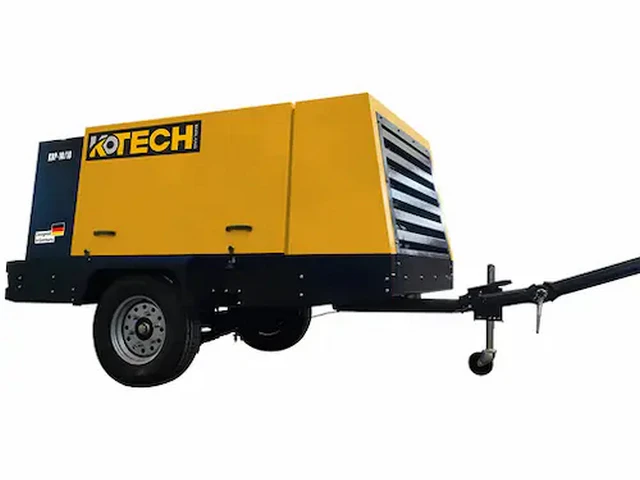
Two stage air compressors are indispensable in pharmaceutical manufacturing, providing the ultra-clean, dry, and reliable compressed air essential for drug production. Their superior efficiency and ability to meet stringent ISO 8573-1 air quality standards directly impact product integrity, operational costs, and regulatory compliance. This technology is a cornerstone for maintaining sterile environments and ensuring consistent process quality in a highly regulated industry.
Optimizing Pharma Production with Two-Stage Air Compression
Key Takeaways
- Two stage compressors provide ultra-clean, dry air for pharma.
- They offer significant energy cost savings over single-stage units.
- High reliability ensures continuous pharmaceutical production.
- Essential for ISO 8573-1 compliance in sterile environments.
- Critical for aseptic packaging, bioreactor aeration, and cleanrooms.
Related: Oil-free air systems · aseptic processing · cleanroom air · drug production equipment · biopharmaceutical compressed air · air quality standards · operational uptime · reciprocating compressors
When we talk about pharmaceutical manufacturing, the stakes are incredibly high. Product integrity, patient safety, and regulatory compliance aren’t just buzzwords; they’re non-negotiable. That’s why the choice of every piece of equipment, down to the compressed air system, is critical. For years, our experience has shown that two stage air compressors aren’t just a good option; they’re often the only viable choice for many critical applications in this sector. They deliver the consistent, high-purity air necessary to prevent contamination, ensure process stability, and ultimately, protect both the product and the bottom line.
Key Insights:
- Two stage air compressors are vital for maintaining the ultra-high air purity (e.g., ISO 8573-1 Class 0 or 1) required in pharmaceutical manufacturing.
- Their inherent energy efficiency significantly reduces operational costs, a major concern for energy-intensive pharma facilities.
- Reliability and continuous uptime provided by these systems are crucial for uninterrupted drug production and avoiding costly batch spoilage.
- They are essential for diverse applications, from aseptic packaging to cleanroom pressurization and instrument air.
- Proper system design and validation are paramount to meet strict regulatory compliance and avoid severe penalties.
The Unwavering Demand for Purity and Efficiency in Pharma
The pharmaceutical industry operates under a microscope. Every single component that touches a product or its environment must meet rigorous standards. Compressed air, often considered a “fourth utility,” is no exception. It’s used everywhere, from direct product contact to powering critical instruments. This necessitates air that is not just clean, but demonstrably free of oil, water vapor, and particulate matter.
Why Two-Stage Compression Stands Out
Traditional single-stage compressors can struggle to meet the extreme pressure demands and efficiency benchmarks without excessive heat generation or wear. Two-stage compression, by contrast, divides the pressure increase into two steps, with an intercooler between stages. This approach offers several distinct advantages critical for pharma:
- Superior Efficiency: Compressing air in two stages with intercooling reduces the heat generated, leading to a more isothermal compression process. This translates directly to lower energy consumption for the same output pressure. For facilities running 24/7, this is a game changer.
- Lower Operating Temperatures: Reduced heat means less stress on components, extending compressor lifespan and reducing the likelihood of oil carryover in oil-lubricated models. In oil-free variants, it ensures consistent performance without thermal degradation.
- Enhanced Reliability: The design distributes the workload, making the system more robust and less prone to breakdowns. Uptime is king in pharma, where a single hour of downtime can cost hundreds of thousands.
- Higher Quality Air: The cooler operation allows for more effective moisture separation and filtration, supporting the production of drier, cleaner air even before advanced purification systems are applied.
The Cost of Compromise: Contamination and Energy Drain
Let’s be frank, compromising on air quality in pharmaceutical manufacturing isn’t an option. The implications of contaminated air are severe. We’re talking about potential product recalls, which, according to IQVIA (2023), can average over $10 million per incident, not even counting the long-term reputational damage. This isn’t just theory; I’ve seen firsthand the scramble and financial hit when a batch is compromised due to air system failure.
Beyond contamination, energy costs are a constant pressure point. Compressed air systems account for up to 10% of total industrial electricity consumption globally, and in some facilities, this figure can reach 30% (U.S. Department of Energy, 2023). Any reduction in energy use translates directly to significant operational savings. Two-stage systems, particularly advanced oil-free rotary screw or reciprocating models, offer superior specific power (kW/m³/min) compared to their single-stage counterparts, providing a compelling return on investment (ROI) over their lifecycle.
Critical Applications Across Pharmaceutical Processes
The utility of multi-stage compressed air systems spans almost every facet of pharmaceutical production. Their ability to deliver consistent, high-purity air makes them indispensable.
Aseptic Packaging and Filling
In sterile filling lines, compressed air is used to operate pneumatic valves, actuators, and to pressurize sterile product containers before filling. Here, absolute oil-free and dry air is non-negotiable to prevent microbial growth or particulate contamination. The air directly interacts with product pathways, demanding ISO 8573-1 Class 0 or Class 1 air quality.
Fermentation and Bioreactor Aeration
For biopharmaceutical manufacturing, compressed air, often enriched with oxygen, provides aeration for bioreactors. This air is critical for cell growth and metabolic processes. It must be sterile-filtered and free of any contaminants that could adversely affect the cell culture, which means a highly reliable, consistent supply from the compressor is fundamental.
Tablet Pressing and Coating
During tablet manufacturing, compressed air powers the tablet presses and is used in spray nozzles for tablet coating. Moisture in the air can cause issues like tablet degradation or inconsistent coating adhesion. Precision and dryness are paramount.
Cleanroom HVAC and Instrument Air
Compressed air also serves as instrument air for control systems, valves, and analytical equipment throughout cleanroom environments. It’s also integral to maintaining positive pressure in cleanrooms, preventing the ingress of unfiltered air. This requires a stable, dry air supply to ensure precise instrument operation and environmental control. The global pharmaceutical market, valued at USD 1,607.74 billion in 2023, with a projected CAGR of 6.2% from 2024 to 2030 (Grand View Research, 2024), clearly indicates a growing demand for such critical infrastructure.
Navigating Regulatory Compliance: ISO 8573-1 and Beyond
Compliance with regulatory bodies like the FDA, EMA, and specific standards such as ISO 8573-1 is not optional. It’s the bedrock of pharmaceutical operations.
Ensuring Air Quality Classifications
ISO 8573-1 specifies air quality classes for compressed air based on particulate matter, water (pressure dew point), and total oil content. For direct product contact or critical applications in pharmaceutical cleanrooms, Class 0 or Class 1 is typically required. Achieving these stringent classes reliably and consistently is where two-stage oil-free compressors truly shine, especially when paired with appropriate desiccant dryers and multi-stage filtration.
Validation and Documentation Requirements
Beyond just meeting the air quality, pharmaceutical manufacturers must demonstrate and document that their compressed air systems consistently deliver the specified purity. This involves rigorous validation protocols, regular testing, and comprehensive maintenance records. A robust two-stage system, designed for reliability and ease of maintenance, simplifies this ongoing compliance burden. Believe me, the auditors will look at your air system documentation very closely.
Beyond the Initial Investment: Long-Term ROI and Sustainability
While the upfront cost of a high-quality two-stage oil-free compressor might seem higher, the long-term return on investment is undeniable, especially in pharmaceutical settings.
Energy Efficiency Advantages
The inherent efficiency of two-stage compression directly translates to lower electricity bills. When you consider that compressed air generation can be one of the largest energy consumers in a plant, even a small percentage increase in efficiency results in substantial savings over the system’s lifespan. This also aligns with growing corporate sustainability goals and reduces the carbon footprint of manufacturing operations.
Reduced Maintenance and Downtime
The cooler operating temperatures and robust design of multi-stage compressors lead to less wear and tear on components. This means longer service intervals, fewer unexpected breakdowns, and lower maintenance costs. Reduced downtime directly impacts production schedules and avoids costly disruptions, which are paramount in a just-in-time manufacturing environment.
When Single-Stage Might Seem Appealing (But Isn't Always)
It’s tempting to consider a single-stage compressor for lower initial capital outlay, particularly for non-critical, lower-pressure applications like general workshop tools. However, for pharmaceutical manufacturing, this approach rarely pays off. Single-stage compressors are less efficient at higher pressures, generate more heat, and are more prone to oil carryover or moisture issues. They simply cannot consistently deliver the ISO 8573-1 Class 0 or Class 1 air quality demanded by critical pharma processes without significant, often prohibitive, downstream treatment costs and an elevated risk profile. They are simply not suitable for any application where compressed air directly or indirectly impacts product quality or patient safety.
Making the Right Choice: Practical Considerations
Selecting the right two-stage compressed air system for a pharmaceutical facility involves more than just looking at the compressor itself. It’s about designing a complete system.
- System Sizing: Correctly size the compressor based on current and future air demand, including peak loads. Oversizing wastes energy; undersizing leads to pressure drops and premature wear.
- Air Treatment: Implement a comprehensive air treatment package including pre-filters, coalescing filters, particulate filters, desiccant dryers (to achieve low pressure dew points), and sterile filters at the point of use.
- Redundancy: For critical applications, always design with redundancy. A backup compressor or system ensures continuous operation even if a primary unit requires maintenance or fails.
- Monitoring and Control: Integrate advanced monitoring systems to track air quality, pressure dew point, energy consumption, and operational parameters in real-time. This allows for proactive maintenance and ensures continuous compliance.
- Service and Support: Partner with a reputable supplier who understands the pharmaceutical industry’s unique demands and can provide certified parts, expert service, and validation support.
The investment in a high-quality two-stage air compressor system for pharmaceutical manufacturing is not an expense; it’s a strategic decision that safeguards product quality, ensures regulatory compliance, and drives long-term operational efficiency. It’s about building a foundation of reliability and purity that the entire production process can depend on.
Expert Insights
From my 12 years in this field, I can tell you that cutting corners on your compressed air system in pharma is a false economy. The risks of contamination and the hidden energy costs of an inferior system far outweigh any initial savings. Invest in a robust two
— stage solution.
Further Reading
- Two Stage Air Compressor vs Reciprocating: Key Differences
- Two Stage Air Compressors for Metal Fabrication and Welding
- Guide to Two Stage Air Compressor Pressure Regulator Setup
- Two Stage Air Compressor Applications in Mining Operations
- Two Stage Air Compressors, Pharmaceutical Manufacturing, Compressed Air Purity, Energy Efficiency Pharma, ISO 8573-1 – Two Stage Air Comp
- How to Determine If You Need a Two Stage Air Compressor
- Two Stage Air Compressor Applications in Food Processing Plants
- Two Stage Air Compressor for Home Workshops: Is It Worth It?
Related Reading: Two Stage Air Compressor Applications in Oil and Gas Industries