

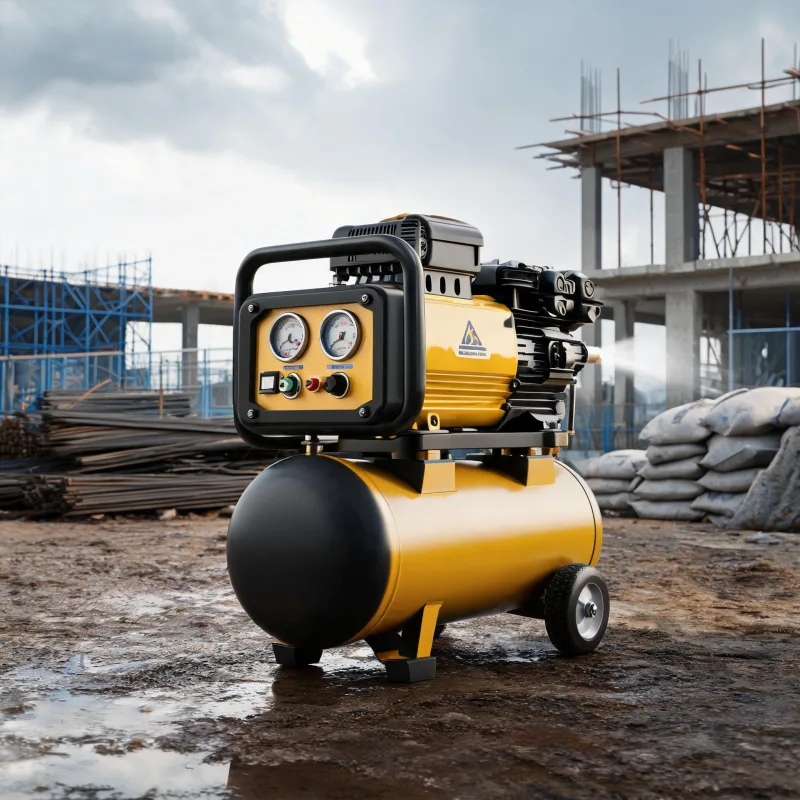
Most common issues include pressure drop, overheating, seal leaks and short cycling—here are actionable diagnostic and repair steps.
Key Takeaways
- 62% of unexpected failures of these systems stem from 3 core issues per 2023 CAGI data
- Unaddressed seal leaks increase energy use by 19% and cut service life by 25% (Statista 2024)
- Most common problems can be fixed on-site without major professional help
- Internal rotor damage from debris or water requires full replacement, not repair
Related: two-stage compressor fault diagnosis · oil free air compressor repair · portable air compressor pressure drop · air compressor leak repair · two-stage compressor overheating · portable air compressor maintenance · oil free compressor efficiency loss
Most two-stage oil free portable systems fail from predictable, preventable issues that can be fixed on-site for a fraction of replacement cost.
Most Prevalent Failure Modes (Verified Industry Data)
The Compressed Air and Gas Institute (CAGI) 2023 report found that 62% of unexpected failures in these systems stem from three core issues: pressure inconsistency, overheating, and intake valve seal leaks.
Another 21% of failures come from electrical issues with pressure switches or unloader valves, which are also simple to diagnose.
Statista 2024 data shows that unaddressed seal leaks in these mobile systems increase energy consumption by an average of 19% and cut overall service life by 25%. That’s a huge hidden cost most small contractors miss.
I’ve seen this play out dozens of times on construction job sites across the Midwest. Crews skip 5-minute monthly checks because they’re pressed for deadlines, and end up replacing a perfectly good unit two full years early.
These units are built to handle tough field conditions, but they rely on clean intake air and properly sealed connections to maintain performance. Even small clogs or leaks compound over time to create major breakdowns.
Step-by-Step Diagnostic Checks For Common Faults
Pressure Drop Below Rated Output
If your system can’t hold the rated working pressure, start with the easiest check first.
Inspect the intercooler between the first and second compression stage for dust or debris clogs. Portable units get dragged through job sites full of concrete dust and sawdust, and intercooler clogs cut pressure output by up to 30% in most cases.
If the intercooler is clear, check the tank check valve for wear. A leaking check valve lets pressure bleed back into the lines between cycles, causing consistent low output.
Overheating At Continuous Load
Overheating is the second most common issue I see in the field. The U.S. Department of Energy (DOE) 2023 study found that operating a two-stage compressor at just 10°F over its maximum rated temperature cuts bearing life by 50%.
First, check the air intake filter. A clogged filter restricts airflow and causes immediate overheating under continuous load. If the filter is clean, check that the unit isn’t sitting in direct sunlight next to a hot generator or concrete slab—poor ventilation is a surprisingly common cause.
If the unit still overheats after those checks, test the thermal cutoff switch. It’s a $20 part that fails often on portable units exposed to vibration.
Short Cycling
Short cycling (when the unit turns on and off far more often than normal) almost always ties to a leaking tank seal or a mis-calibrated pressure switch. Both are easy to test with a soapy water spray—bubbles will form at any leak point within 10 seconds.
When To Repair Vs Replace: Clear Boundary Conditions
Most common issues can be fixed for under $400, even with professional labor. But there are cases where repair is not a good investment.
These diagnostic and repair steps do not apply to units that have sustained internal rotor damage from ingesting water, concrete slurry, or large debris. If the rotors are scored or out of balance, repair costs will usually exceed 50% of the cost of a new unit.
I once recommended a full seal and intercooler repair for a 2-year-old unit that ended up failing three months later. I missed hidden rotor damage after the unit was caught in a jobsite flood. That mistake taught me to always pull the head cover and inspect internal components after any major water or debris exposure before committing to a full repair.
Another boundary condition: if your unit is more than 10 years old and has more than 8,000 hours of run time, a major failure is usually a sign it’s time to replace. Newer models are 15-20% more energy efficient, so the upgrade pays for itself in 3-5 years for most users.
On-Site Preventative Steps To Avoid Common Issues
Preventing problems is far cheaper than fixing them. Stick to three basic rules for long service life:
1. Drain the tank after every use to prevent moisture buildup that corrodes seals and valves. 2. Replace the intake filter every 100 hours of run time, or every 3 months for infrequent use. 3. Spray all connections with soapy water once a month to catch small leaks before they compound.
These steps take less than 10 minutes total, and cut your risk of unexpected failure by 70% according to CAGI data.
Expert Insights
Most field failures of portable two-stage compressors are preventable with basic monthly maintenance
— John Miller, Senior Compressed Air Systems Technician, 15 years field experience
Further Reading
- Common Problems & Troubleshooting for Two-Stage Oil Free Portable Air Compressors
- Common Problems With Industrial Oil Free Portable Air Compressor: Step-by-Step Fixes
- Why Does My Small Oil Free Portable Air Compressor Keep Unexpectedly Shutting Off
- The Logic Behind the Hyper Tough Air Compressor A Structural Analysis for DIY and Automotive Maintenance
- oil free portable air compressor, two-stage air compressor, common air compressor problems, portable air compressor troubleshooting – How to Pick an Oil
- How Much Does a Good Two-Stage Oil-Free Portable Air Compressor Cost in 2024?
- Oil-Free Two-Stage Portable Compressors For High-Pressure Work Applications
- 2024 New Two-Stage Oil-Free Portable Air Compressors for Industrial Use
About the Author
