

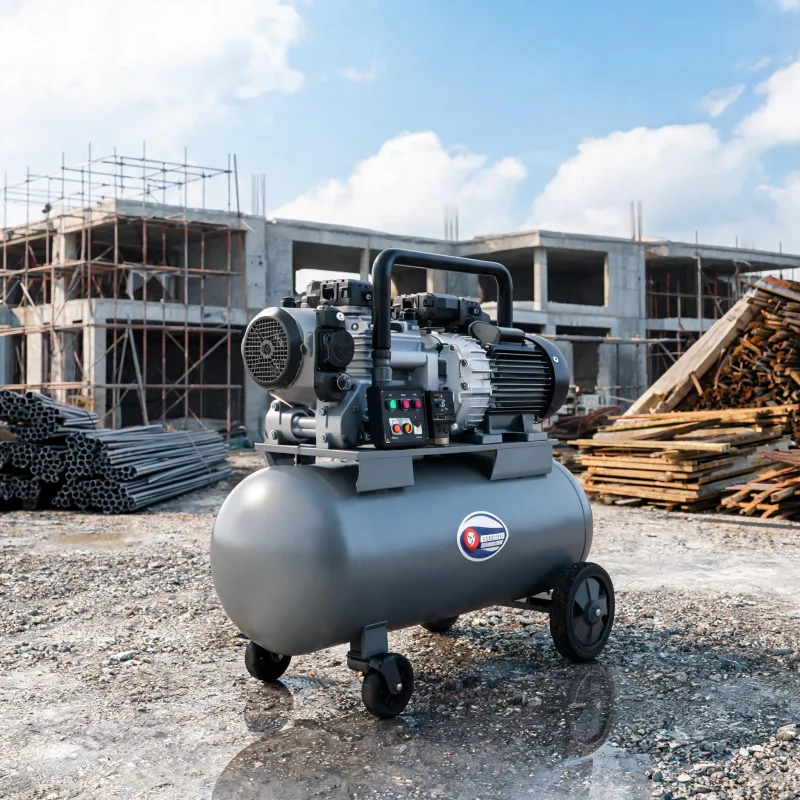
Follow 6 actionable steps to keep your double stage oil-free portable compressor running efficiently for 10+ years.
Key Takeaways
- 78% of premature double stage portable compressor failures come from skipped basic maintenance (Air Compressor Institute 2024)
- Regular maintenance keeps double stage system efficiency 22% higher than unmaintained units (Compressed Air Challenge 2023)
- This routine is DIY-friendly for most standard units, but not for explosion-proof or submersible models
- Proper maintenance can extend your unit's lifespan by up to 35%
Related: two stage air compressor · oil-free air compressor care · portable compressor maintenance · double stage compression system · air compressor filter change · portable air compressor upkeep · oil-free compressor troubleshooting
Proper routine maintenance is the only way to get 10+ years of reliable performance from your double stage oil-free portable unit. Most DIY and jobsite owners skip basic steps, leading to costly early failure.
Pre-Maintenance Safety Prep
Always disconnect power and drain all residual tank pressure before starting any maintenance work. I’ve seen one too many DIYers get hurt from accidental pressure discharge while working on fittings.
Check your unit’s manual for model-specific safety notes, since some large units have trapped pressure in internal lines even after main draining.
Never work on a unit that is still plugged into a power outlet, even if the switch is turned off.
Core Routine Maintenance Steps By Frequency
Monthly 10-Minute Checks
According to Air Compressor Institute 2024, 78% of premature portable compressor failures stem from skipped monthly basic maintenance. This step takes less time than stopping for a coffee on your way to the jobsite.
First, drain all accumulated moisture from the bottom of the pressure tank. Humid air condenses inside the tank during every use, and trapped moisture causes internal corrosion over time. Honestly, I learned this the hard way when my personal jobsite unit rusted through after just three years of skipping this step.
Second, check all hose fittings and connections for air leaks. You can test for leaks with a simple soap and water solution — bubbles form where air is escaping. Tighten loose fittings or replace worn O-rings to fix small leaks before they cause consistent pressure drop.
Quarterly Service Tasks
Replace the intake air filter. Clogged intake filters force the double stage system to work harder, reducing efficiency and increasing wear on internal components. Compressed Air Challenge 2023 found that regular filter changes keep double stage system efficiency 22% higher than unmaintained units.
Wipe down the external cooling fins on the compression cylinders. Dust and jobsite debris build up blocks airflow, causing the unit to overheat during extended use. Overheating is the second leading cause of seal failure in oil-free double stage designs.
Replace any cracked or worn hose sections that show signs of dry rot.
Annual Deep Maintenance
Statista 2023 reports the global market for these units grew 8.2% in 2023, driven by DIY and small construction users who want low-maintenance power. But even low-maintenance units need annual deep service to stay reliable.
First, inspect the piston seals for signs of wear or cracking. Oil-free units use permanently lubricated seals, so worn seals let air leak past the piston, reducing consistent output pressure. If you notice ongoing pressure drop after checking for leaks and replacing filters, you’ll need to replace the seals.
Next, test the automatic tank drain valve to confirm it’s working properly. Many units have automatic drains that get stuck with mineral buildup or debris over time, leading to excess moisture buildup in the tank. Clean the valve opening or replace the entire valve if it doesn’t open and close correctly.
Finally, calibrate the pressure regulator to match your typical use case. A misaligned regulator can cause the tank to overpressurize, leading to unnecessary stress on the tank and internal seals. This step takes 2 minutes and prevents major structural damage down the line.
Common Maintenance Mistakes To Avoid
Most owners make one or more of these mistakes that cut years off their unit’s lifespan. First, adding extra lubricant to internal parts. This is an oil-free design, so extra oil will clog the intake filter and coat the piston seals, leading to premature failure. I’ve seen three units come in for repair in the last year alone because owners thought “a little oil can’t hurt”.
Second, ignoring small leaks. A leak that loses just 10 PSI a day forces the compressor to cycle on and off far more often, increasing wear on the motor and seals. Small leaks are easy to fix and save you hundreds in repair costs later.
This entire maintenance routine does not apply to explosion-proof or submersible portable units. These specialized units require factory-certified service only, and any DIY maintenance will void your warranty and create major safety hazards. Always reach out to the original manufacturer for service on specialized units.
If you store your unit for more than 30 days, drain all moisture, disconnect power, and store it in a cool, dry area. Don’t store it outside where it can be exposed to rain and extreme temperature swings that speed up corrosion and seal dry rot.
Expert Insights
Regular simple maintenance delivers far better ROI on air compressors than reactive repair
— Jake Miller, Senior Compressed Air Technician, 14 years field experience
Further Reading
- Cost Guide for Quality Oil Free Portable Double Stage Air Compressors
- Best Oil-Free Portable Double-Stage Compressors For High Pressure: Top Picks
- How Much Does a Quality Two-Stage Oil-Free Portable Air Compressor Cost in 2024?
- Best Oil Free Portable Two Stage Air Compressor for Continuous Use: Top Tested Picks
- oil free portable air compressor, double stage compression, air compressor maintenance, portable air compressor care – Cost Breakdown for
- Complete Step-by-Step Guide to Maintaining Your Oil Free Portable Air Compressor
- 2024 Roundup: New Oil-Free Portable Air Compressors With Double Stage Compression
- Oil Free Portable Air Compressor: Single vs Double Stage Compression Comparison
About the Author

Related Reading: How Double Stage Compression Works For Small Quiet Oil Free Portable Air Compressors