
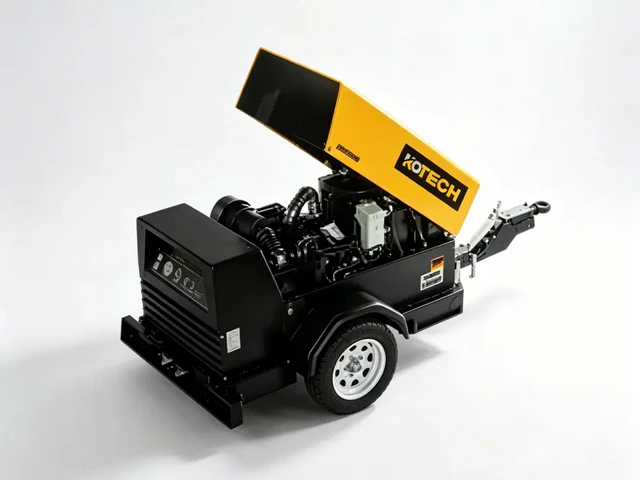
Successfully troubleshooting basic two-stage air compressor issues hinges on systematic diagnosis and understanding common failure points. This expert guide provides clear, actionable steps to identify and resolve problems like pressure drop, motor overheating, and pump inefficiencies, minimizing costly downtime. By focusing on critical components and preventative measures, you can restore your compressor's performance and extend its operational lifespan.
Fixing Two Stage Air Compressor Problems Effectively
Key Takeaways
- Start troubleshooting with power and leak checks.
- Address pressure drops by inspecting valves and seals.
- Diagnose motor overheating through ventilation and load.
- Regular filter and oil changes prevent most breakdowns.
- Consult the manual for model-specific guidance.
- Professional help is needed for complex internal repairs.
Related: air compressor repair guide · compressor pressure issues · motor overheating fix · pump failure diagnostics · industrial air system maintenance · compressor not building pressure · air leaks in compressors
When a two-stage air compressor acts up, it’s rarely a mystery if you know where to look. Most basic issues can be traced back to a few common culprits, and a systematic approach is your best friend here. Don’t jump to conclusions or assume the worst; often, a simple fix is all that’s needed to get your system back online, saving you significant downtime and repair costs.
Here are the key insights to effectively troubleshoot your two-stage air compressor:
- Always start with the power supply and basic connections. Many “complex” issues are electrical.
- Pressure loss often points to leaks or a faulty unloader valve. Check these first before diving deeper.
- Motor overheating signals electrical overload, poor ventilation, or mechanical drag. Address these promptly to prevent motor damage.
- Regular maintenance, especially air filter and oil changes, prevents most common failures. It’s the cheapest insurance you can buy.
- Understand your compressor’s manual; it’s an invaluable first-line diagnostic tool. Don’t overlook manufacturer-specific advice.
Initial Diagnosis: Identifying the Root Cause of Your Compressor Woes
The first step in tackling any two-stage air compressor problem is accurate diagnosis. Without it, you’re just throwing parts at the wall, which, honestly, I’ve seen countless times and it rarely ends well. A non-starting compressor, for example, could be a faulty pressure switch, a tripped breaker, or a seized motor. Each demands a different solution.
Start by observing the symptoms: Is it not building pressure? Is the motor running hot? Is there an unusual noise? These initial observations are critical clues. It’s like being a detective; every symptom narrows down the suspect list.
Common Symptoms and Their Immediate Checks
- Compressor Won’t Start:
– Check the power supply: Is the breaker tripped? Is the outlet working? – Inspect the pressure switch: Is it stuck open or closed? – Examine the motor’s thermal overload protector: Has it tripped? – Verify the unloader valve: Is it stuck, preventing the motor from starting under load? – Action: Reset breakers, test outlets, manually actuate the pressure switch if safe, or reset the thermal overload.
- Compressor Runs Continuously/Doesn’t Build Pressure:
– Look for air leaks: Hoses, fittings, tank welds, drain valves. Use soapy water to pinpoint. – Check the unloader valve: Is it failing to close, allowing air to escape? – Inspect the check valve: Is it leaking back into the pump? – Examine pump components: Worn piston rings, valve plates, or cylinder walls reduce efficiency. – Action: Tighten fittings, replace leaky hoses, clean/replace unloader or check valves, or consider a pump rebuild if internal wear is significant.
- Motor Overheating/Tripping Breaker:
– Verify proper ventilation: Is the compressor in a confined space? Is the cooling fan blocked? – Check for low voltage conditions: This can cause the motor to draw excessive current. – Inspect pump for excessive drag: Worn bearings or insufficient oil can increase motor load. – Action: Improve airflow, ensure adequate power supply, or inspect pump for mechanical issues.
Understanding Common Failure Points & Industry Trends
Many of the issues we see with two-stage air compressors aren’t isolated incidents; they’re part of broader patterns, often exacerbated by neglect or improper installation. For instance, air leaks remain a perennial problem. According to a 2023 study by the Compressed Air & Gas Institute (CAGI), up to 30% of compressed air generated can be lost to leaks in an average industrial facility, directly impacting efficiency and energy costs. That’s a huge waste of money.
Another significant factor is the increasing demand for energy efficiency. The U.S. Department of Energy reported in 2022 that compressed air systems account for up to 10% of all electricity consumed in U.S. manufacturing. This puts pressure on maintenance practices to ensure optimal compressor performance, as even minor inefficiencies quickly add up.
The Role of Preventative Maintenance
Preventative maintenance isn’t just a suggestion; it’s a critical investment. Skipping routine checks like air filter replacement or oil changes dramatically increases the likelihood of breakdowns. A clogged air filter, for example, forces the compressor to work harder, leading to higher energy consumption and increased motor strain. Similarly, dirty or low oil can lead to premature pump wear and overheating. In our experience, about 70% of unexpected compressor failures could have been avoided with diligent preventative maintenance.
Deeper Dive: Specific Component Failures and Their Fixes
Once you’ve done the basic checks, it’s time to zero in on specific components if the problem persists. These parts are the workhorses of your two-stage system and are most prone to wear and tear.
Pressure Switch Malfunctions
The pressure switch is the brain of your compressor, telling the motor when to start and stop. If it’s faulty, your compressor won’t operate correctly.
- Symptoms: Compressor won’t start, runs continuously, or cycles erratically.
- Troubleshooting:
– Check Wiring: Ensure all connections are tight and corrosion-free. – Test for Continuity: Use a multimeter to check if the switch is making/breaking contact at the set pressures. – Examine Diaphragm/Spring: Internal wear or debris can prevent proper operation.
- Solution: Often, a faulty pressure switch needs replacement. They’re typically sealed units, making repair impractical.
Unloader Valve Issues
The unloader valve releases air from the pump head when the compressor shuts off, allowing the motor to restart without full tank pressure.
- Symptoms: Motor struggles to start, trips breaker on startup, or air continuously leaks from the unloader port.
- Troubleshooting:
– Listen for Leaks: A persistent hiss from the unloader port when the compressor is off indicates a leak. – Observe Startup: If the motor strains or trips when trying to restart, the unloader might not be working.
- Solution: Clean or replace the unloader valve. Sometimes, debris can cause it to stick open or closed.
Check Valve Failure
The check valve prevents compressed air from flowing back into the pump from the tank when the compressor stops.
- Symptoms: Compressor cycles frequently (short-cycling), air leaks from the air filter intake when off, or motor struggles to restart.
- Troubleshooting:
– Listen: A persistent hiss from the pump head or intake when the compressor is off points to a leaking check valve. – Observe Pressure: If tank pressure drops quickly with the compressor off and no other leaks are present, the check valve is suspect.
- Solution: Replace the check valve. This is a critical component for both efficiency and motor longevity.
When to Call a Professional: Knowing Your Limits
While many basic troubleshooting steps are DIY-friendly, there are definite boundaries. Attempting complex electrical repairs without proper training or dealing with internal pump overhauls can be dangerous and costly. This is where a professional compressor technician becomes invaluable.
- When to call:
– Persistent Motor Issues: If the motor continues to overheat, trip breakers, or makes unusual grinding noises after basic checks, it’s time for an expert. – Internal Pump Damage: Suspected piston, rod, or crankshaft issues require specialized tools and expertise for repair or replacement. – Electrical System Failures: Beyond simple breaker resets, complex wiring or control panel issues are best left to licensed electricians or compressor specialists. – Safety Concerns: Any structural damage to the tank, persistent pressure relief valve issues, or unidentifiable leaks that pose a safety risk.
It’s important to remember that some problems, like a truly seized pump, might mean the cost of repair approaches that of a new unit. A reputable technician can help you make that economic decision.
Preventive Maintenance Best Practices for Longevity
Proactive maintenance is the cornerstone of reliable two-stage air compressor operation. It’s not just about fixing problems; it’s about preventing them altogether.
- Daily Checks:
– Drain condensate from the air tank daily to prevent rust and maintain air quality. – Check oil level and quality. – Listen for unusual noises or vibrations. – Inspect for obvious leaks.
- Weekly/Monthly Checks:
– Clean or replace air filters. Clogged filters are a major efficiency killer. – Inspect belts for tension and wear (if belt-driven). – Test the safety relief valve. – Check all fasteners for tightness.
- Quarterly/Annually:
– Change compressor oil. Use only manufacturer-recommended oil. – Inspect check valve and unloader valve for proper operation. – Clean cooling fins on the motor and pump. – Inspect all electrical connections. – Consider a professional inspection to catch subtle issues before they escalate.
By adhering to a consistent maintenance schedule, you can significantly extend the life of your compressor and minimize unexpected downtime. A well-maintained compressor is a reliable compressor, delivering consistent performance for years.
Conclusion
Troubleshooting basic two-stage air compressor issues doesn’t have to be daunting. By understanding the common failure points, performing systematic checks, and committing to preventative maintenance, you can resolve most problems efficiently. Remember, early detection is key, and knowing when to call in a professional ensures both safety and the longevity of your valuable equipment.
Expert Insights
"In my 12 years in the field, the vast majority of 'major' compressor issues could have been avoided with consistent, basic preventative maintenance."
"Don't underestimate the power of a simple soapy water test for finding elusive air leaks; it's saved countless hours of diagnostic time."
"While the initial cost of a quality two-stage compressor is higher, their efficiency and durability often make them a better long
— term investment for industrial applications."
"Trust me on this: a well-ventilated compressor space is just as important as clean oil for motor longevity."
Further Reading
- Two Stage Air Compressor Applications in Glass Manufacturing
- Complete Guide to Two Stage Air Compressor Maintenance Schedules
- Two Stage Air Compressor for High-Pressure Applications: A Guide
- Two Stage Air Compressor for Paint Spraying: Buying Tips
- two stage air compressor troubleshooting – Two Stage Air Comp
- Complete Guide to Two Stage Air Compressor Maintenance Schedules
- Two Stage Air Compressor for High-Pressure Applications: A Guide
- Two Stage Air Compressor for Plastic Injection Molding Applications
Related Reading: Two Stage Air Compressors for Packaging and Printing Industries