
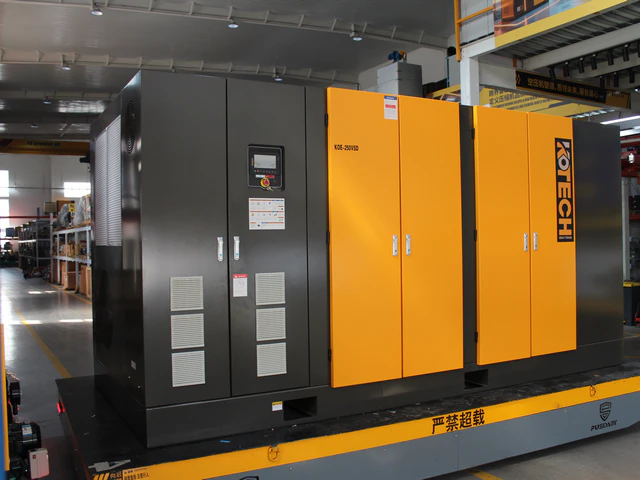
Properly installing a two-stage air compressor is crucial for its efficiency, longevity, and operational safety. This guide provides a detailed, expert-backed walkthrough covering site selection, electrical connections, piping, and essential startup procedures. Following these steps ensures your industrial air system performs optimally and avoids common installation pitfalls.
Essential Steps for Two Stage Air Compressor Setup
Key Takeaways
- Proper installation maximizes compressor efficiency.
- Site prep and foundation are critical for stability.
- Electrical work requires a licensed professional.
- Use flexible connectors in piping to manage vibration.
- Regular maintenance begins immediately after installation.
Related: Industrial air compressor setup · dual-stage compressor mounting · high-pressure air system integration · heavy-duty compressor wiring · air compressor piping best practices · commercial compressor site preparation.
Installing a two-stage air compressor correctly isn’t just about getting it running; it’s about securing peak performance, maximizing its lifespan, and ensuring workplace safety. A botched setup leads to vibrations, leaks, and early component failure. We’re talking costly downtime and potential hazards.
Here are the key insights you need to know:
- Precise site selection is non-negotiable for airflow and vibration control.
- Correct electrical sizing and wiring prevent overheating and premature motor failure.
- Proper piping and drainage are crucial for air quality and preventing corrosion.
- Vibration isolation extends component life and reduces noise significantly.
- Neglecting post-installation checks can void warranties and lead to immediate issues.
The Criticality of Proper Two-Stage Compressor Installation
Getting your new two-stage air compressor up and running efficiently requires more than just plugging it in. These machines are the workhorses of many industrial and commercial operations, demanding a precise, well-executed installation to deliver their rated CFM and PSI consistently. Over my twelve years in the field, I’ve witnessed firsthand how a rushed or cut-corner installation inevitably leads to frustrating performance issues, higher energy bills, and ultimately, premature equipment failure. It’s an investment that pays dividends when done right.
Industry Trends and Why Installation Matters More Than Ever
The landscape for industrial air compressors is evolving rapidly. Energy efficiency isn’t just a buzzword; it’s a bottom-line imperative. The U.S. Department of Energy (DOE) estimates that compressed air systems consume up to 30% of industrial electricity in manufacturing facilities (DOE, 2023). This staggering figure underscores why every aspect of your system, especially the initial installation, must be optimized for efficiency. An improperly installed unit can waste significant energy through leaks, excessive pressure drops, or inefficient motor operation, directly impacting your operating costs.
Moreover, the global industrial air compressor market size was valued at USD 36.31 billion in 2023 and is projected to continue growing (Grand View Research, 2024). This growth means more installations are happening, increasing the need for robust, standardized procedures. As technology advances, so does the complexity, making expert installation even more critical. Frankly, relying on guesswork here is a recipe for disaster.
The Foundation: Pre-Installation Planning and Site Selection
Before the delivery truck even arrives, meticulous planning saves headaches and money. This isn’t a step to skip. A two-stage air compressor, especially a heavy-duty industrial model, needs specific environmental conditions to thrive.
Assessing Your Space and Environment
First, consider the location. It needs to be clean, dry, well-ventilated, and protected from extreme temperatures. Dust, moisture, and heat are the enemies of compressor longevity. The ambient temperature should ideally remain between 40°F (4°C) and 100°F (38°C). Any deviation requires special considerations or additional equipment.
The foundation itself is paramount. These compressors are heavy and generate significant vibration. A reinforced concrete pad, at least 6-8 inches thick and separate from the building’s structural foundation, is often required. This isolates vibrations, preventing them from transferring to the building structure and other sensitive equipment.
Power Requirements and Electrical Infrastructure
Two-stage compressors are power-hungry. You’ll need to verify that your facility’s electrical service can handle the compressor’s motor amperage, voltage, and phase requirements. Consult the compressor’s nameplate data and your local electrical codes. Undersized wiring or insufficient circuit breakers pose serious fire risks and can damage the motor. This is where a licensed electrician is non-negotiable.
Air Quality and Ventilation Needs
Adequate ventilation prevents the compressor from overheating. Hot ambient air reduces efficiency and shortens component life. Ensure there’s enough clear space around the unit for proper airflow, and consider exhaust fans or ducting to expel hot air, especially in confined spaces. Remember, clean intake air is vital; poor air quality can clog filters and degrade performance.
When Standard Installation Might Not Apply
While this guide focuses on typical fixed industrial installations, it’s important to acknowledge boundary conditions. This advice, for instance, doesn’t perfectly apply to small, portable two-stage units used by hobbyists or for light-duty, intermittent work. Those systems often have simpler electrical and foundation needs. Conversely, large, integrated plant-wide air systems with multiple compressors, dryers, and sophisticated control systems will require an even more in-depth engineering approach, often involving a dedicated systems integrator. Our focus here is on the common fixed-mount commercial or light industrial two-stage compressor.
Step-by-Step Installation Process
With the planning out of the way, let’s get into the hands-on work. Safety first, always.
Step 1: Unpacking and Initial Inspection
Once your compressor arrives, carefully unpack it. Inspect for any shipping damage immediately. Document everything with photos. Check that all components and accessories listed in the manual are present. Missing parts can delay installation significantly.
Step 2: Positioning and Anchoring
Move the compressor to its designated, prepared location. Use appropriate lifting equipment; these machines are heavy. Once positioned, level the unit. Small shims can correct minor discrepancies. Anchor the compressor securely to the concrete pad using heavy-duty anchor bolts. This prevents movement and reduces vibration. Many manufacturers provide specific anchoring patterns.
Step 3: Vibration Isolation
This is a step often overlooked, but it’s crucial for longevity. Install vibration isolation pads or mounts between the compressor feet and the concrete pad. These rubber or spring-loaded isolators absorb much of the operational vibration, protecting both the compressor and the surrounding structure. This can significantly reduce noise levels, a benefit for any working environment.
Step 4: Electrical Connections
This step must be performed by a qualified, licensed electrician. 1. Disconnect Power: Ensure the main power supply is off at the breaker panel. Verify with a voltmeter. 2. Run Conduit and Wiring: Route the electrical conduit to the compressor’s motor junction box. Use wire gauges appropriate for the compressor’s amperage draw and the length of the run, as specified by the manufacturer and local codes. 3. Connect Motor: Wire the motor according to the schematic provided in the compressor manual. Pay close attention to voltage and phase connections. Incorrect wiring can instantly destroy the motor. 4. Grounding: Properly ground the compressor frame. This is a critical safety measure against electrical shock. 5. Install Disconnect Switch: A lockable disconnect switch should be installed within sight of the compressor, allowing for safe lockout/tagout procedures during maintenance.
OSHA data consistently shows that machinery-related incidents, including those involving compressed air, are a leading cause of industrial accidents (OSHA, 2022). Proper electrical installation is a significant part of mitigating these risks.
Step 5: Piping and Air Line Connections
The air piping system needs to be robust and leak-free. 1. Receiver Tank Connection: Connect the compressor discharge to the receiver tank using appropriate high-pressure rated piping (e.g., Schedule 40 steel, copper, or aluminum). Use a flexible connector between the compressor and the rigid piping to absorb vibration and thermal expansion. 2. Main Air Line: From the receiver tank, run the main air line to your distribution points. Use sloped piping (1-2 degrees per 10 feet) with drip legs and automatic drains at low points to collect moisture. This prevents condensate from reaching your tools and equipment. 3. Filtration and Drying: Install air filters and air dryers (refrigerated or desiccant) downstream from the receiver tank. This is essential for protecting pneumatic tools, machinery, and finished products from moisture and contaminants. 4. Pressure Relief Valve: Ensure the pressure relief valve on the receiver tank is correctly installed and oriented. Never tamper with this critical safety device. 5. Check Valves: Confirm any necessary check valves are installed in the correct direction to prevent backflow.
Step 6: Drainage System
Most two-stage compressors and receiver tanks will produce condensate. Connect an automatic condensate drain to the bottom of the receiver tank and any drip legs in the piping system. Route the condensate to an oil/water separator before discharging it to a suitable drain, complying with environmental regulations.
Step 7: Ventilation and Cooling
Confirm that the compressor room has adequate ventilation to dissipate heat generated by the compressor. If necessary, install exhaust fans or ductwork to ensure a continuous supply of cool, fresh air. The air intake filter should be easily accessible for routine cleaning and replacement.
Step 8: Initial Startup and Testing
Before the first start-up: 1. Lubrication: Verify the oil level in the compressor pump is correct. Use the manufacturer-specified lubricant. 2. Belt Tension: Check and adjust belt tension if your unit is belt-driven. 3. Valve Checks: Ensure all manual valves in the air system are in the correct open or closed positions. 4. Power On: Carefully energize the circuit breaker. 5. First Run: Start the compressor and observe it closely. Listen for unusual noises, check for leaks (use soapy water on connections), and monitor pressure build-up. 6. Pressure Switch Adjustment: Verify the cut-in and cut-out pressure settings are correct according to your needs and the manufacturer’s recommendations. 7. Safety Relief Valve Test: Briefly actuate the safety relief valve to ensure it functions.
After a successful initial run, let the compressor operate for a short period, then shut it down and re-check all connections, belts, and fluid levels. This “break-in” period allows components to seat properly.
Step 9: Post-Installation Maintenance Checks
Your installation isn’t truly complete until you’ve scheduled your first routine maintenance check. This includes filter changes, oil checks, and belt tension adjustments. A well-documented maintenance schedule is the backbone of compressor longevity and efficiency. From my perspective, neglecting this step after a perfect installation is like buying a Ferrari and never changing the oil.
Conclusion
Installing a two-stage air compressor is a significant undertaking that demands attention to detail at every stage. From site preparation and electrical wiring to piping and initial startup, each step plays a vital role in the system’s overall performance, safety, and longevity. By following this comprehensive guide and consulting with qualified professionals where necessary, you’ll ensure your investment delivers reliable, efficient compressed air for years to come.
Expert Insights
"From my experience, shortcuts in installation always lead to more expensive repairs down the line. Invest in doing it right the first time."
Further Reading
- Two Stage Air Compressor Duty Cycle: What It Means for You
- Guide to Two Stage Air Compressor Horsepower Selection
- Essential Components of a Two Stage Air Compressor Explained
- Two Stage Air Compressor vs Rotary Screw: Which Is More Efficient?
- Two Stage Air Compressor Installation – How Much Does a Tw
- Two Stage Air Compressor vs Rotary Screw: Which Is More Efficient?
- Portable vs Stationary Two Stage Air Compressor: Pros and Cons
- Two Stage Air Compressor for Beginners: Setup & Safety Tips
Related Reading: How to Calculate CFM for a Two Stage Air Compressor System