
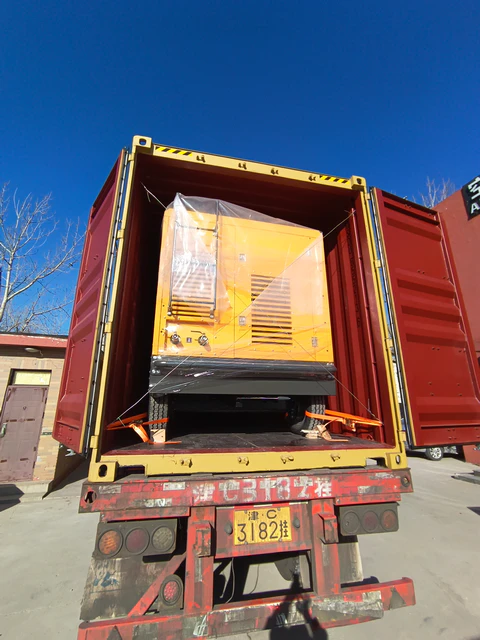
Understanding your two stage air compressor's duty cycle is paramount for ensuring its long-term health and operational efficiency. This critical metric dictates how long your compressor can run versus how long it needs to rest, directly impacting its lifespan, energy consumption, and overall performance. Misinterpreting or ignoring the duty cycle can lead to costly breakdowns, increased maintenance, and premature equipment replacement.
Mastering Your Compressor's Duty Cycle
Related: Compressor run time · air compressor workload · continuous duty compressor · intermittent duty · compressor sizing · thermal management · compressor longevity · industrial air compressor performance · compressed air system efficiency
As someone who’s been knee-deep in compressed air systems for over a decade, I can tell you straight up: the duty cycle of your two stage air compressor is not just another spec on a sheet. It’s the heartbeat of your machine, dictating its lifespan, energy efficiency, and your operational budget. Get it wrong, and you’re looking at premature breakdowns, higher utility bills, and unexpected downtime.
Here are the key insights you need to grasp about your compressor’s duty cycle:
- Duty cycle is the percentage of time a compressor can operate within a given period without overheating or excessive wear.
- Ignoring your compressor’s duty cycle drastically reduces its lifespan and increases maintenance costs.
- Proper sizing based on actual demand, not just peak, is critical for optimal duty cycle management.
- Modern compressor controls and variable speed drives can significantly improve duty cycle efficiency.
- A higher duty cycle rating generally indicates a more robust, industrial-grade machine designed for sustained workloads.
What is Duty Cycle and Why It Matters
At its core, the duty cycle of an air compressor defines the ratio of its run time to its total cycle time (run time + rest time), expressed as a percentage. For a two stage air compressor, this is particularly important because these units are typically designed for more demanding, continuous, or high-volume applications compared to their single-stage counterparts. A common rating might be “60% duty cycle in a 10-minute period,” meaning the compressor can run for 6 minutes and then needs 4 minutes of rest.
Why does this matter so much? Heat. Compression generates heat, and that heat is the enemy of internal components like seals, bearings, and motor windings. Running a compressor beyond its rated duty cycle means it’s not getting enough cool-down time. This leads to excessive heat buildup, accelerating wear and tear, reducing lubrication effectiveness, and eventually causing component failure. Honestly, I’ve seen too many businesses burn through compressors because they pushed them past their thermal limits, thinking “it’s just a few extra minutes.” Those “few extra minutes” add up to significant damage.
Understanding the Numbers: Calculating Your Compressor's Duty Cycle
While manufacturers usually provide a duty cycle rating, understanding how it’s derived helps you contextualize it for your specific needs. The calculation is straightforward:
Duty Cycle (%) = (Run Time / Total Cycle Time) 100
For example, if your compressor runs for 3 minutes and then rests for 2 minutes, its duty cycle for that specific period is (3 / (3+2)) 100 = 60%.
The challenge often lies in accurately measuring your actual run time versus idle time over a typical operational period. Many modern industrial air compressors come with advanced control panels that log this data, providing invaluable insights into your real-world usage patterns. Without this data, you’re essentially guessing, and guessing with expensive machinery is rarely a good strategy.
A 2021 study by the Compressed Air & Gas Institute (CAGI) highlighted that proper sizing and maintenance, which inherently involves understanding duty cycle, can reduce unscheduled downtime by as much as 15-20%. This isn’t just about avoiding a breakdown; it’s about optimizing operational flow and predictability.
The Real-World Impact: Beyond the Spec Sheet
Understanding the duty cycle isn’t just academic; it has direct, tangible impacts on your operation:
Equipment Longevity
Overworking a compressor by exceeding its duty cycle is the fastest way to shorten its life. Components like the pump, motor, and electrical systems are engineered with specific thermal limits. Constant thermal stress degrades materials, leading to premature failure of seals, valves, and motor insulation. A compressor designed for intermittent use (e.g., 50% duty cycle) won’t last long in a continuous production environment. Conversely, a robust industrial two stage unit with an 80-100% duty cycle is built for that grind.
Energy Efficiency and Cost
An improperly sized compressor that constantly cycles on and off because its demand is too low, or one that struggles to keep up because its demand is too high, is an inefficient one. Short, rapid cycles (often a sign of oversized equipment) cause motor start-up surges, which are energy-intensive. Running a compressor continuously beyond its design for high demand uses more power than necessary and often results in lower efficiency at peak stress. The U.S. Department of Energy (DOE) estimates that compressed air systems often account for 10-30% of a plant’s total electricity bill, and improperly managed systems can waste up to 50% of this energy. Managing your duty cycle effectively is a direct path to lower utility costs.
Performance and Output Consistency
A compressor operating within its intended duty cycle delivers consistent air pressure and flow. When pushed beyond its limits, it might struggle to maintain pressure, leading to “pressure drops” that can impact pneumatic tools and machinery performance. This inconsistency reduces productivity and can even damage sensitive equipment that requires stable air supply.
Common Misconceptions and Boundary Conditions
One common misconception is that a “100% duty cycle” means the compressor can run forever without issues. While a 100% duty cycle rating indicates a heavy-duty, industrial-grade machine designed for continuous operation, it doesn’t mean it’s maintenance-free or impervious to extreme conditions. It still requires regular maintenance, proper ventilation, and ambient temperature control. A compressor rated for 100% duty cycle at 70°F ambient temperature might struggle if your shop regularly hits 100°F. Environmental factors always play a role.
Another point to consider: a small, portable two stage compressor, even if it’s rated for 50-60% duty cycle, is not truly comparable to a large, stationary industrial unit with the same percentage. The build quality, component robustness, and cooling systems are fundamentally different. This is where the commercial context of “heavy-duty air compressor” truly matters.
Optimizing for Longevity and Efficiency
Managing your compressor’s duty cycle effectively isn’t rocket science, but it does require attention:
Accurate Sizing
This is the number one factor. Don’t just pick a compressor based on a tool’s CFM requirement. Conduct an air audit to determine your average and peak CFM demands over a typical workday. Size your compressor to meet your average demand while having enough capacity for intermittent peak usage within its duty cycle. Oversizing leads to short cycling, while undersizing forces the unit to constantly run, exceeding its limits.
Implement Smart Controls
Modern compressors often feature sophisticated controls that monitor run time, idle time, and temperature. Variable Speed Drive (VSD) compressors are a game-changer here. A VSD compressor can match its motor speed precisely to demand, effectively operating at a near-perfect duty cycle by only generating the compressed air needed. This dramatically reduces energy consumption and thermal stress. The global industrial air compressor market size was valued at USD 33.7 billion in 2022 and is projected to grow at a CAGR of 4.3% from 2023 to 2030 (Grand View Research 2023), partly driven by advancements like VSD technology.
Regular Maintenance
Preventive maintenance schedules, including oil changes, filter replacements, and cooling system checks, are vital. A clean cooling system (fins, fans) ensures efficient heat dissipation, directly supporting the compressor’s ability to maintain its duty cycle. Neglecting maintenance forces the compressor to work harder and hotter, regardless of its rated duty cycle.
Environmental Considerations
Ensure your compressor operates in a well-ventilated area with ambient temperatures within the manufacturer’s specified range. High ambient temperatures force the compressor’s cooling system to work harder, effectively reducing its real-world duty cycle capability.
When to Upgrade: A Cost-Benefit Analysis
Sometimes, no amount of optimization can make an undersized or older compressor meet your growing demands. If your current two stage air compressor is constantly running at or near 100% and still struggling to maintain pressure, or if you’re experiencing frequent breakdowns related to heat, it’s a clear signal.
Consider the Total Cost of Ownership (TCO). While a new industrial air compressor might seem like a significant upfront investment, the energy savings from a properly sized VSD unit, coupled with reduced maintenance and downtime, can offer a surprisingly fast Return on Investment (ROI). I’ve helped clients justify upgrades where the energy savings alone paid for the new unit in under three years. Don’t just look at the purchase price; look at the long-term operational costs.
Expert Insights
Based on my experience, many operational issues stem from a fundamental misunderstanding of duty cycle. It’s not just a number; it’s a operational blueprint.
Further Reading
- How to Read a Two Stage Air Compressor Spec Sheet Like a Pro
- Guide to Two Stage Air Compressor Horsepower Selection
- Essential Components of a Two Stage Air Compressor Explained
- Two Stage Air Compressor vs Rotary Screw: Which Is More Efficient?
- Two Stage Air Compressor Duty Cycle – How Much Does a Tw
- Two Stage Air Compressor vs Rotary Screw: Which Is More Efficient?
- Portable vs Stationary Two Stage Air Compressor: Pros and Cons
- Two Stage Air Compressor for Beginners: Setup & Safety Tips
Related Reading: How to Calculate CFM for a Two Stage Air Compressor System