
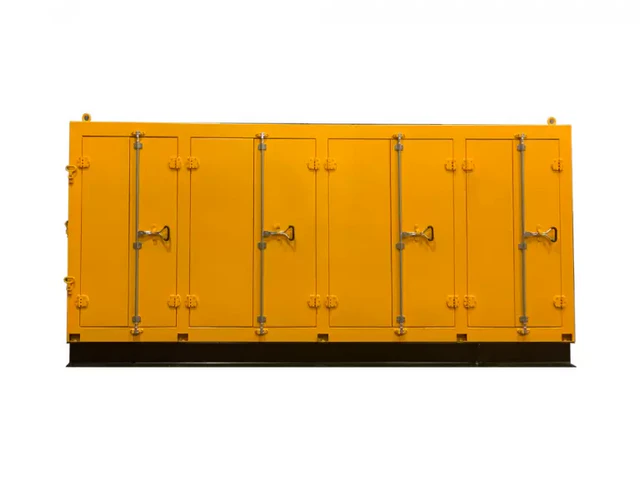
A two-stage air compressor utilizes a dual-piston system to compress air in two distinct phases, achieving significantly higher pressures and greater energy efficiency than single-stage models. This design is critical for demanding industrial and automotive applications requiring sustained high-volume air output, offering enhanced longevity and cooler operation. Key Insights: Two-stage compressors compress air in two distinct phases, significantly increasing pressure and efficiency. The process involves a larger first-stage piston for initial compression, followed by an intercooler to reduce air temperature, and then a smaller second-stage piston for final, higher-pressure compression. This design allows for output pressures often exceeding 175 PSI, making them ideal for heavy-duty tools and continuous industrial operations. Key benefits include enhanced energy efficiency, cooler operation, and extended equipment lifespan compared to single-stage units. While more expensive upfront, their long-term operational savings and performance justify the investment for professional applications.
Mastering the Mechanics of a Two-Stage Air Compressor
Related: How two stage air compressors operate · two stage compressor mechanics · step-by-step air compressor guide · industrial air compressor benefits · high-pressure air systems · reciprocating compressor explanation.
A two-stage air compressor isn’t just a bigger version of its single-stage cousin; it’s a fundamentally different beast engineered for higher demands. It delivers greater pressure and efficiency by compressing air in two distinct steps, a crucial design for anyone running serious pneumatic tools or industrial machinery. If you’re pushing beyond basic garage tasks, understanding this process is non-negotiable for maximizing performance and equipment longevity.
Understanding the Core Advantage of Two-Stage Air Compressors
The primary reason two-stage compressors exist is to overcome the limitations of single-stage units. A single-stage compressor compresses air once, typically up to around 125-135 PSI, which is fine for many light-duty tasks. But when you need continuous, high-pressure air for heavy-duty tools like impact wrenches, sandblasters, or large paint sprayers, a single stage simply can’t keep up efficiently.
Two-stage units are built for endurance and power. They provide a more consistent air supply, operate at lower internal temperatures, and ultimately lead to a longer service life for the compressor itself. In fact, for industrial applications demanding consistent high-pressure air, two-stage reciprocating compressors can offer up to 15-20% more energy efficiency compared to their single-stage counterparts, especially under continuous load, according to a 2022 analysis by the Compressed Air & Gas Institute (CAGI). This isn’t just about raw power; it’s about smart power.
The Step-by-Step Mechanics: How a Two-Stage Compressor Operates
Let’s break down exactly what happens inside one of these workhorses. It’s a beautifully orchestrated dance of pistons, valves, and heat exchange.
First Stage Compression: The Initial Squeeze
The journey begins when atmospheric air is drawn into the first compression chamber. This chamber typically features a larger piston, designed for volume rather than extreme pressure.
- Intake: As the larger piston moves downwards, it creates a vacuum, drawing ambient air through an intake filter and into the first cylinder.
- Initial Compression: On the piston’s upward stroke, the intake valve closes, and the air is compressed to an intermediate pressure, usually between 40 to 70 PSI, depending on the compressor design. This initial squeeze causes the air temperature to rise significantly due to the work being done on it.
- Discharge to Intercooler: Once the intermediate pressure is reached, the discharge valve for the first stage opens, sending this hot, moderately compressed air into the next critical component: the intercooler.
Intercooling: The Crucial Heat Management
This is where a two-stage compressor truly differentiates itself. The intercooler is a heat exchanger, essentially a radiator, positioned between the first and second compression stages.
- Heat Removal: As the hot, compressed air from the first stage passes through the intercooler, it’s cooled, usually by fins or tubing exposed to ambient air.
- Density Increase: Cooling the air is vital. Hot air is less dense; by cooling it, the air becomes denser. Denser air means that the second stage can compress more air molecules with each stroke, leading to greater efficiency and higher final pressure.
- Reduced Workload: Lowering the air temperature before the second stage also reduces the amount of work required for the final compression, which contributes directly to the energy efficiency gains we discussed earlier. It also protects the second stage components from excessive heat.
Honestly, I’ve seen too many compressor failures that could be traced back to inadequate intercooling or neglected maintenance on this critical part. It’s not just an add-on; it’s fundamental.
Second Stage Compression: The Final Boost
With the air now cooler and denser, it’s ready for the final push to high pressure.
- Intake to Second Stage: The cooled, intermediate-pressure air enters a second, smaller cylinder. The piston in this chamber is typically smaller in diameter than the first stage piston.
- Final Compression: As this smaller piston moves upwards, it compresses the air further, building it up to the desired working pressure. This final pressure can range from 100 PSI up to 175 PSI or even higher for specialized industrial units. For context, typical single-stage compressors rarely exceed 135 PSI, whereas two-stage models routinely achieve 175 PSI and above for continuous operation, according to data from the Compressed Air and Gas Institute’s 2023 performance standards.
- Discharge to Tank: Once the target pressure is reached, the air is discharged through a final valve and sent directly to the air receiver tank, ready for use by your tools or machinery.
Key Benefits: Why Go Two-Stage?
The step-by-step process clearly illustrates the mechanical advantages, but what does that mean for you on the shop floor or in an industrial setting?
- Higher Pressure Output: The most obvious benefit. Two-stage compressors can generate significantly higher PSIs, essential for tools that demand serious force.
- Increased Efficiency: By cooling the air between stages, less energy is wasted as heat, making the compression process more efficient. This translates directly to lower electricity bills over time.
- Extended Lifespan: Operating at cooler temperatures reduces wear and tear on internal components. Less heat means less thermal stress, extending the life of pistons, rings, and valves.
- Lower Operating Temperature: The entire system runs cooler, which is not only good for the compressor itself but also reduces moisture buildup in the air lines when coupled with proper air drying equipment.
- Better Duty Cycle: Two-stage units are designed for more continuous operation, making them ideal for demanding industrial environments where the compressor might run for hours on end.
The global industrial air compressor market size was valued at USD 33.7 billion in 2023 and is projected to grow at a CAGR of 4.2% from 2024 to 2030 (Grand View Research, 2024). This sustained growth underlines the ongoing demand for reliable, high-performance compressed air solutions, with two-stage models playing a significant role in industrial applications.
When a Two-Stage Compressor is Your Best Bet (and When It’s Not)
Choosing the right compressor isn’t just about power; it’s about matching the tool to the task. A two-stage air compressor is your best bet for:
- Heavy-Duty Applications: Running multiple high-CFM (Cubic Feet per Minute) tools simultaneously.
- Continuous Operation: Workshops, auto body shops, manufacturing plants, or any setting where the compressor will be running for extended periods.
- High-Pressure Demands: Sandblasting, commercial painting, tire shops, or situations requiring sustained air pressure above 125-135 PSI.
However, it’s important to recognize their limitations. A two-stage compressor is generally not the most cost-effective choice for light, intermittent tasks like inflating car tires once a month or running a small nail gun for a DIY project. In these scenarios, a single-stage compressor provides sufficient power at a lower upfront cost and often with less maintenance complexity. From my experience, many folks overspend on two-stage units for tasks a basic single-stage could handle just fine, leading to unnecessary upfront costs and higher initial maintenance considerations without the corresponding operational benefits.
Maintaining Performance and Longevity
To ensure your two-stage compressor continues to perform optimally, regular maintenance is key. This includes routine oil changes, checking and replacing air filters, and regularly draining moisture from the receiver tank. Neglecting these simple steps can lead to decreased efficiency, increased wear, and premature failure. Proper maintenance not only safeguards your investment but also ensures you’re consistently getting the clean, dry, high-pressure air your applications demand.
The Future of Industrial Air: Efficiency and Smart Systems
The trend in industrial air compression is clearly towards greater efficiency and integration. Modern two-stage compressors are increasingly incorporating Variable Frequency Drives (VFDs) to match motor speed precisely to air demand, further reducing energy consumption. We’re also seeing more IoT-enabled systems, allowing for remote monitoring, predictive maintenance, and real-time performance analytics. These advancements are making two-stage compressors even more intelligent, reliable, and cost-effective for the demanding applications they serve.
Expert Insights
Selecting a two-stage air compressor isn't just about raw power; it's a strategic decision for long-term operational efficiency and reliability in high-demand environments. Prioritizing the right compressor for your specific duty cycle and pressure requirements will always yield the best return on investment.
Further Reading
- What Is a Two Stage Air Compressor? Ultimate Beginner’s Guide 2026
- Total Cost of Ownership (TCO) Analysis: Single vs. Two-Stage.
- Why Sandblasting requires stable 175 PSI from a two-stage unit.
- What is intercooling in a two-stage air compressor?
- Two Stage Air Compressor – The Science Behind
- How to choose the right CFM for a 2-stage screw compressor?
- Top 10 High-Pressure Two-Stage Compressors for Mining in 2026.
- Single Stage vs. Two Stage Air Compressors: Which is right for your plant?
Related Reading: How Two Stage Air Compressors Are Used in Construction Sites