
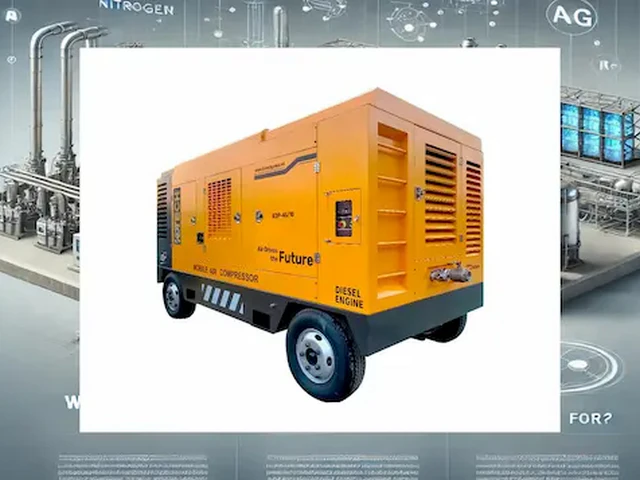
Deciding on a two-stage air compressor hinges on your sustained CFM demands, the power requirements of your pneumatic tools, and your operational duty cycle. If you're running heavy-duty equipment like grinders or sanders for extended periods, or managing multiple tools simultaneously, a two-stage unit is likely indispensable. It offers superior efficiency and longevity for demanding professional and industrial applications.
Is a Two-Stage Air Compressor Your Next Essential Tool?
Key Takeaways
- Two-stage compressors deliver higher sustained CFM.
- Essential for heavy-duty pneumatic tools like grinders.
- Designed for continuous, high-demand operation.
- More energy-efficient due to two-step compression.
- Crucial for professional workshops and industrial use.
- Requires appropriate electrical service (often 230V).
Related: Industrial air compressor · heavy-duty pneumatic tools · continuous air supply · air compressor upgrade · professional workshop compressor · energy-efficient compressed air
Here are the key insights you need to determine if a two-stage air compressor is the right investment for your operations:
- Sustained CFM Output is Paramount: If your tools or processes demand a consistent, high volume of air (typically over 10-12 CFM at 90 PSI) for more than a few minutes at a time, a two-stage unit is essential.
- Heavy-Duty Tools Require Higher PSI and CFM: Tools like large impact wrenches, sanders, grinders, and plasma cutters will quickly overwhelm a single-stage compressor.
- Duty Cycle Matters: For continuous or near-continuous operation, a two-stage compressor is designed to run cooler and last longer, preventing premature wear.
- Efficiency and Longevity: Two-stage models are inherently more energy-efficient and built for industrial longevity, translating to lower operating costs and fewer breakdowns in demanding environments.
- Multiple User Scenarios: If you have multiple technicians or processes drawing air simultaneously, the higher, more stable output of a two-stage compressor is non-negotiable.
Determining if you need a two-stage air compressor boils down to your operational demands: if your work involves heavy-duty pneumatic tools, requires sustained high CFM output, or demands continuous operation, then yes, you absolutely need a two-stage unit. Trying to squeeze by with a single-stage in these scenarios leads to frustration, inefficiency, and ultimately, damaged equipment.
When You Absolutely Need a Two-Stage Air Compressor
From my 12 years on job sites and in workshops, I’ve seen countless professionals undersize their air compressors, only to face constant tool lag and premature equipment failure. If your daily routine involves any of the following, stop thinking and start budgeting for a two-stage model:
- Heavy-Duty Pneumatic Tools: Are you frequently using air sanders, die grinders, orbital sanders, large impact wrenches (1/2″ drive or larger), air hammers, or plasma cutters? These tools are CFM hogs. A typical air sander, for instance, can demand 10-15 CFM, while a plasma cutter might need 6-8 CFM at a higher PSI. A single-stage compressor simply cannot keep up with these demands for more than intermittent use.
- Continuous or Near-Continuous Operation: If your compressor runs for more than 50% of the time in an hour, you’re looking at a high duty cycle application. Automotive repair shops, manufacturing facilities, or even serious home workshops doing extensive bodywork fall into this category. Two-stage compressors are designed to dissipate heat more effectively, ensuring the pump lasts significantly longer under constant load.
- Multiple Users or Tools Simultaneously: Running multiple pneumatic tools at once, even lighter ones, quickly adds up the CFM requirements. A two-stage unit provides the necessary reservoir and consistent pressure to keep everyone working without interruptions.
- High PSI Applications: Some specialized tools or processes, like certain paint sprayers or tire inflation for large vehicles, require higher sustained pressures (125-175 PSI). Two-stage compressors are built to deliver these higher pressures more efficiently and reliably.
The Performance Gap: Data-Driven Insights
The difference between single-stage and two-stage compressors isn’t just marketing hype; it’s a fundamental engineering advantage reflected in performance and efficiency data.
A key indicator is energy efficiency. According to a 2022 study by the U.S. Department of Energy, properly selected and maintained two-stage reciprocating compressors can offer up to 15-20% better energy efficiency compared to single-stage units for applications requiring higher pressures and continuous operation. This translates directly to lower electricity bills, a significant factor as industrial electricity costs continue to fluctuate.
Furthermore, market trends underscore the shift towards more robust solutions. Research by Grand View Research in 2023 projected the global industrial air compressor market to grow, driven partly by increasing demand for energy-efficient and high-performance solutions in manufacturing and automotive sectors. This growth includes a strong segment for two-stage piston compressors, which are favored for their durability and consistent output in demanding environments.
Consider the CFM demands. A standard 5HP single-stage compressor might deliver around 15-18 CFM at 90 PSI. A comparable 5HP two-stage unit, however, often provides 20-25 CFM at 90 PSI, and crucially, maintains that output more consistently and at higher pressures. This additional CFM is critical for preventing tool starvation, which can lead to poor workmanship and extended project times.
Understanding the Mechanics: Why Two Stages Matter
The fundamental difference lies in how they compress air. A single-stage compressor compresses air once. Air enters the cylinder, is compressed to the desired pressure (e.g., 90-120 PSI), and then moves to the tank. This process generates significant heat, especially under heavy load.
A two-stage compressor, on the other hand, compresses air in two steps. Air is first compressed to an intermediate pressure in a larger piston, then cooled by an intercooler, and finally compressed to the final, higher pressure in a smaller piston. This two-step process offers several critical benefits:
- Reduced Heat: Compressing in two stages with an intercooler between them significantly reduces the operating temperature. Cooler operation means less wear and tear on components like seals and pistons, extending the compressor’s lifespan.
- Higher Efficiency: By cooling the air between stages, the compressor can achieve higher pressures with less horsepower, making it more energy-efficient. You get more CFM per HP.
- Greater Pressure Capability: Two-stage compressors are inherently designed to reach and maintain higher pressures (typically up to 175 PSI) more reliably than their single-stage counterparts, which often max out around 125-135 PSI.
- Consistent Airflow: The two-stage design provides a smoother, more consistent air supply, which is vital for precision tools and applications where pressure drops can impact quality.
Situations Where a Single-Stage Might Suffice
Not every application warrants the investment in a two-stage air compressor. Sometimes, a single-stage unit is perfectly adequate, and frankly, a more cost-effective choice.
You might be fine with a single-stage if your needs are:
- Intermittent Use: You’re only using air tools for short bursts, like inflating tires, blowing off dust, or occasionally running a brad nailer or impact wrench for a few bolts.
- Light-Duty Tools: Your primary tools are staplers, nail guns, blow guns, or small paint sprayers that have low CFM requirements and aren’t used continuously.
- Limited Budget: If you’re a hobbyist or small workshop with very occasional air tool use, the initial cost of a single-stage compressor is significantly lower.
- Space Constraints: Single-stage compressors often come in more compact, portable designs, ideal for tight spaces or mobile applications where a larger, heavier two-stage unit isn’t practical.
However, if you find yourself constantly waiting for your single-stage compressor to catch up, or if your tools are underperforming due to insufficient air, that’s your cue to upgrade. Honestly, it boils down to matching the tool to the task. Don’t compromise your work quality or tool lifespan for a lower upfront cost if your demands are truly professional.
Practical Considerations for Your Workshop or Job Site
When you’re ready to commit to a two-stage air compressor, there are several practical factors to consider beyond just CFM and PSI. These choices directly impact your operational efficiency and long-term satisfaction.
Power Requirements and Electrical Service
Two-stage compressors, especially those designed for industrial use, often require 230V single-phase or even three-phase power. Before purchasing, verify your electrical service can handle the amperage draw. An electrician might be necessary to install a dedicated circuit. Trying to run a powerful compressor on an inadequate circuit is a fire hazard and can damage the motor.
Tank Size and Portability
While two-stage compressors are typically stationary, tank size still matters. A larger tank provides more reserve air, reducing how frequently the pump cycles. This is particularly beneficial for applications with fluctuating air demands. Common sizes range from 60 to 120 gallons. Portability is generally not a feature of these heavy-duty units, so plan for a permanent installation.
Noise Levels
These are powerful machines, and noise can be a factor. While some manufacturers offer “low-noise” or “silent” two-stage compressors, they are generally louder than consumer-grade single-stage units. If your workshop is in a residential area or shared space, consider sound insulation or placing the compressor in a separate utility room. The Occupational Safety and Health Administration (OSHA) sets guidelines for workplace noise exposure, and a two-stage compressor might necessitate hearing protection.
Maintenance and Longevity
Two-stage compressors are built to last, but proper maintenance is key. This includes regular oil changes, air filter replacements, and checking for leaks. Many industrial models feature cast iron pumps for enhanced durability. Investing in a quality unit with readily available parts will save you headaches down the line. According to data from a 2021 study by the Compressed Air & Gas Institute (CAGI), consistent maintenance can extend the operational life of an industrial air compressor by up to 30%.
Making the Investment: What to Look For
When you’re shopping for a two-stage air compressor, focus on these specifications to ensure you get the right machine for your needs:
- CFM (Cubic Feet per Minute) at 90 PSI: This is your most critical spec. Add up the CFM requirements of all the tools you might run simultaneously, then add a 20-30% buffer for safety. Always look for the delivered CFM, not just the displacement.
- HP (Horsepower): While related to CFM, HP alone isn’t the full story. A 5 HP two-stage will outperform a 5 HP single-stage in sustained CFM and pressure.
- Tank Volume: As discussed, a larger tank means less cycling.
- Pump Material: Cast iron pumps are generally preferred for their durability and heat dissipation.
- Drive System: Belt-driven compressors are typically quieter and last longer than direct-drive models in this class.
- Brand Reputation and Warranty: Stick with reputable brands known for quality and customer support. A good warranty offers peace of mind.
My take on this is simple: view a two-stage air compressor not as an expense, but as an investment in productivity and the longevity of your pneumatic tools. The upfront cost might be higher, but the long-term savings in efficiency, reduced downtime, and extended tool life usually make it a clear winner for serious users.
Expert Insights
A two-stage air compressor is a non-negotiable asset for any serious shop or industrial setting where pneumatic tools are critical to daily operations.
Further Reading
- Two Stage Air Compressor Applications in Food Processing Plants
- Two Stage Air Compressor for Home Workshops: Is It Worth It?
- Step-by-Step Two Stage Air Compressor Installation Guide
- Two Stage Air Compressor Duty Cycle: What It Means for You
- Two Stage Air Compressor – Guide to Two Stage
- Two Stage Air Compressor vs Rotary Screw: Which Is More Efficient?
- How Much Does a Two Stage Air Compressor Cost in 2026?
- Portable vs Stationary Two Stage Air Compressor: Pros and Cons
Related Reading: Two Stage Air Compressor for Paint Spraying: Buying Tips