
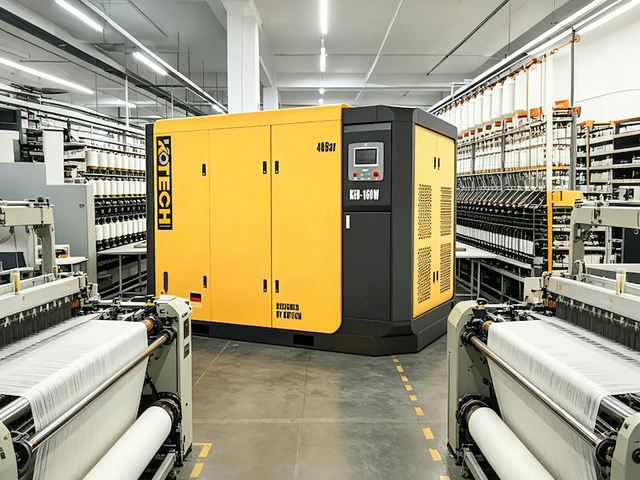
Setting up your two-stage air compressor's pressure regulator correctly is non-negotiable for maximizing efficiency, extending tool life, and ensuring operational safety. This guide, based on over a decade of hands-on experience, cuts through the noise to provide actionable steps for optimal pressure control, addressing common pitfalls and highlighting the critical importance of a well-calibrated system for any serious workshop or industrial application.
Mastering Your Two-Stage Compressor's Pressure Regulator
Key Takeaways
- Correct pressure regulation is vital for tool longevity, energy efficiency, and operational safety.
- Understand your full air system, including mainline regulators, FRL units, and potential pressure drop.
- Match regulator settings precisely to tool specifications; over- or under-pressuring leads to costly issues.
- Avoid common pitfalls like ignoring pressure drop, skipping filtration, or over-lubricating.
- Regular maintenance, including leak detection and filter replacement, ensures system reliability.
Related: Air compressor pressure control · industrial compressed air systems · FRL unit installation · pneumatic tool pressure · air system maintenance · pressure drop management · energy efficiency in compressed air
Guide to Two Stage Air Compressor Pressure Regulator Setup
Getting your two-stage air compressor’s pressure regulator set up right isn’t just a nicety; it’s absolutely fundamental to the performance of your entire pneumatic system, from tool longevity to energy bills. Frankly, if you’re serious about your work, whether it’s in a busy auto shop or a fabrication plant, neglecting proper pressure control is a costly mistake. This guide will walk you through the essential steps and considerations, drawing from years of experience in the field, to ensure your setup is dialed in for peak efficiency and reliability.
Why Precision Pressure Regulation is Non-Negotiable for Two-Stage Compressors
A two-stage air compressor delivers consistent high pressure and CFM, making it ideal for demanding applications. However, without a precise pressure regulator, that power can be a double-edged sword. You risk over-pressurizing tools, wasting energy, and causing premature wear on your equipment. The goal is to deliver the exact required pressure at the point of use, no more, no less. This isn’t just about saving a few bucks; it’s about operational integrity.
The U.S. Department of Energy (DOE) highlighted in a 2017 report that optimizing compressed air systems, including proper pressure regulation, can reduce energy consumption by 20-50% in industrial facilities. That’s a massive saving, especially with today’s energy costs. We’re talking about real money staying in your pocket, not literally blowing away as wasted energy.
Understanding Your Air System: Beyond Just the Regulator
Before diving into setup, let’s clarify what we’re regulating. Your air system typically involves more than just the compressor and a single regulator. For two-stage systems, you’re usually looking at a mainline regulator near the compressor and potentially point-of-use regulators closer to your pneumatic tools.
- Mainline Regulator: This typically reduces tank pressure to a manageable system pressure, protecting downstream components and providing a stable baseline.
- FRL Unit (Filter-Regulator-Lubricator): Often installed as a single unit, especially at point-of-use.
– Filter: Removes moisture and particulates, critical for tool health. – Regulator: Controls the working pressure. – Lubricator: Adds a fine mist of oil for air tools that require it. Not all tools need lubrication, so understand your specific tools.
- Hoses and Fittings: These can introduce pressure drop, which needs to be factored into your settings. Longer, narrower hoses mean more pressure loss.
Honestly, I’ve seen countless setups where folks just slap on a regulator and call it a day, ignoring filtration or lubrication. That’s a recipe for disaster. Your tools will thank you for a complete FRL unit where appropriate.
The Critical Impact of Correct Pressure Settings
Setting the correct pressure directly influences tool performance, longevity, and overall system efficiency. Too high, and you risk damaging tools, seals, and increasing air leaks. Too low, and tools won’t operate at their rated power, leading to inefficient work and operator frustration.
According to a study by the Pneumatic Tool Manufacturers’ Association (PTMA) in 2021, operating pneumatic tools consistently above their recommended pressure can reduce their lifespan by up to 40% due due to accelerated internal wear. Conversely, running them significantly below their optimal PSI can double the time needed to complete a task, effectively halving productivity. It’s a delicate balance. The global industrial air compressor market, valued at approximately $33 billion in 2023 (Grand View Research, 2023), underscores the pervasive reliance on these systems, making efficient operation more vital than ever.
Step-by-Step Regulator Setup: Mainline vs. Point-of-Use
Let’s get practical. Here’s how to approach the setup.
Mainline Regulator Installation
1. Placement: Install the mainline regulator after the air dryer (if you have one) and before any major branch lines. It should be easily accessible for adjustments. 2. Mounting: Securely mount the regulator to a sturdy wall or frame using appropriate brackets. Ensure it’s level. 3. Connections: Use thread sealant tape (PTFE tape) on all threaded connections. Ensure arrows on the regulator body indicate the correct direction of airflow. Hand-tighten, then use a wrench for a final turn, but don’t overtighten. 4. Initial Setting: With the compressor off and the tank drained, open the isolation valve to the regulator. Slowly turn the regulator adjustment knob counter-clockwise until it’s fully backed out (lowest pressure setting). 5. Pressurize and Adjust: Turn on the compressor and let it build to its maximum tank pressure. Slowly turn the regulator knob clockwise to increase the output pressure. Set it to a baseline pressure that is slightly higher than the highest pressure required by any tool in your shop, typically 100-125 PSI for general shop air, accounting for pressure drop.
Point-of-Use FRL Unit Setup
Point-of-use regulators are crucial for precise control right where the work happens.
1. Placement: Install these units as close as possible to the specific tool or workstation they will serve. This minimizes further pressure drop. 2. Mounting and Connections: Similar to the mainline regulator, ensure secure mounting and correct airflow direction with proper thread sealant. 3. Setting Tool-Specific Pressure: – Consult your pneumatic tool’s manual for its recommended operating pressure. This is paramount. – With the mainline pressure established, connect the tool to the FRL unit. – Adjust the point-of-use regulator to the tool’s exact specified PSI. Test the tool briefly to confirm performance. – For tools like paint guns, precision is even more critical. You might need a gauge directly at the gun for fine-tuning.
Common Pitfalls and How to Avoid Them
Even with experience, it’s easy to overlook details. Here are some common mistakes I’ve personally encountered:
- Ignoring Pressure Drop: Many technicians set a regulator at 90 PSI and expect 90 PSI at the tool. But long hoses, multiple quick-connects, and restrictive fittings can cause significant pressure drop. If your tool needs 90 PSI, you might need to set your point-of-use regulator to 95-100 PSI to compensate. Only a gauge at the tool will tell you the real story.
- Skipping Filtration: Especially with older compressors, oil and moisture can wreak havoc on tools. A good filter is cheap insurance. This setup is not suitable for applications requiring oil-free air, such as medical or food processing. For those, a completely different, oil-free compressor and specialized filtration system are required.
- Over-Lubricating: Not all tools need lubrication. Impact wrenches usually do, but paint guns or blow guns absolutely don’t. An FRL lubricator should only be used where needed, or bypassed.
- No Drain on Filters: Condensate in filters needs to be drained regularly. Many modern filters have automatic drains, but check them. A full filter can reintroduce moisture into your air stream.
- Neglecting Leak Detection: Even the best regulator won’t help if your system is leaking. Air leaks are massive energy waste. I recommend a periodic leak check using soapy water on all connections.
Maintaining Your Air System for Peak Performance
Regular maintenance extends the life of your compressor, regulator, and tools.
- Filter Replacement: Check and replace filter elements regularly, typically every 3-6 months depending on usage and air quality. A clogged filter restricts airflow and dirties your air.
- Regulator Inspection: Periodically check the regulator for proper function. Does it hold pressure? Is the gauge accurate? Diaphragm regulators can wear out over time.
- Drain Air Tank: Drain your compressor’s tank daily to remove accumulated moisture. This prevents rust and keeps your air drier.
- Check for Leaks: As mentioned, routine leak detection saves energy and ensures consistent pressure delivery.
Investing in the Right Gear: What to Look For
When upgrading or replacing components, don’t just grab the cheapest option.
- Quality Regulators: Look for industrial-grade regulators from reputable brands like Parker, Norgren, or SMC. They offer better accuracy, durability, and flow rates.
- Gauges: Ensure your pressure gauges are accurate and easy to read. Digital gauges offer higher precision.
- FRL Units: Consider modular FRL units that allow you to customize components (e.g., a filter and regulator without a lubricator if not needed).
- Hose Quality: Invest in high-quality, appropriately sized air hoses to minimize pressure drop and improve safety.
Proper setup of your two-stage air compressor’s pressure regulator system isn’t a one-time task; it’s an ongoing commitment to efficiency, safety, and productivity. By following these guidelines, you’ll ensure your investment in powerful compressed air equipment pays off for years to come.
Expert Insights
"In my two decades working with compressed air systems, the most common oversight I've seen is underestimating the impact of an improperly set pressure regulator. It's not just about a gauge reading; it dictates everything from your tool's lifespan to your monthly energy bill."
Further Reading
- Two Stage Air Compressor Types: Piston vs Rotary Screw Models
- Using Two Stage Air Compressors for Painting and Finishing
- How to Determine If You Need a Two Stage Air Compressor
- Two Stage Air Compressor Applications in Food Processing Plants
- Two Stage Air Compressor Pressure Regulator Setup – Two Stage Air Comp
- Step-by-Step Two Stage Air Compressor Installation Guide
- How Two Stage Air Compressors Are Used in Construction Sites
- Two Stage Air Compressor Duty Cycle: What It Means for You
Related Reading: Two Stage Air Compressor for Paint Spraying: Buying Tips