
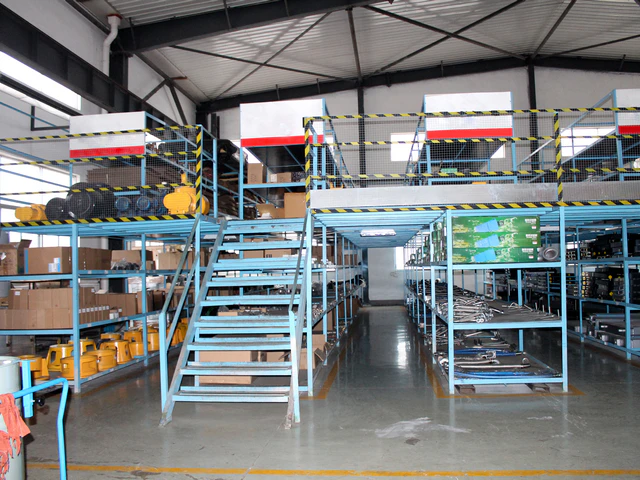
For serious metal fabrication and welding operations, a two-stage air compressor isn't just an option—it's a necessity. These units deliver the consistent high-pressure, high-volume air required for demanding tools like plasma cutters, MIG welders, and grinders, ensuring superior finish quality and operational efficiency. Understanding critical metrics like CFM, PSI, and duty cycle is paramount for selecting a system that truly supports your shop's productivity and longevity.
Unlocking Performance: The Two-Stage Compressor Advantage for Metalworking
Key Takeaways
- Two-stage compressors are vital for metal fabrication.
- Higher PSI and consistent CFM are critical for welding.
- Plasma cutters demand robust, dry air supply.
- Duty cycle and tank size impact compressor longevity.
- Air dryers and filters protect tools and output quality.
- Energy efficiency is a major long-term cost factor.
Related: High-pressure air for fabrication · reliable welding air supply · efficient plasma cutting compressors · commercial metalworking air solutions · heavy-duty workshop air compressors
When you’re running a metal fabrication or welding shop, the air compressor isn’t just another piece of equipment; it’s the heart of your operation. And frankly, if you’re not running a two-stage unit, you’re likely leaving performance and money on the table.
Key Insights:
- Two-stage compressors are non-negotiable for high-demand metal fabrication and welding applications.
- They deliver higher PSI and sustained CFM, crucial for plasma cutting, heavy grinding, and continuous welding.
- Proper sizing based on total CFM requirements and duty cycle prevents premature wear and ensures consistent tool performance.
- Investing in air quality (dryers, filters) is as critical as the compressor itself for tool longevity and weld integrity.
- Energy efficiency and maintenance schedules significantly impact long-term operational costs.
For any serious metal fabrication or welding operation, a two-stage air compressor is the only reliable option. These machines deliver the consistent high-pressure, high-volume air necessary for demanding tools like plasma cutters, MIG welders, and heavy-duty grinders. Anything less, and you’re just asking for downtime, inconsistent results, and frustrated technicians.
Why Two-Stage Compressors Dominate Metalworking
The core advantage of a two-stage compressor lies in its ability to produce higher pressure and greater sustained airflow (CFM) compared to its single-stage counterparts. This is achieved by compressing air in two separate cylinders. Air is first compressed to an intermediate pressure in one cylinder, then cooled and compressed again to its final, higher pressure in a second cylinder. This process is more energy-efficient for higher pressures and generates less heat, extending the lifespan of the compressor.
Think about it: plasma cutters, for instance, demand a very specific CFM at a minimum PSI to achieve clean, precise cuts. A single-stage compressor often struggles to maintain these requirements, leading to slower cuts, poor edge quality, and ultimately, wasted material and time. Welding applications, particularly those involving heavy-duty MIG or TIG, also benefit immensely from a consistent, dry air supply for shielding gas or pneumatic tool operation.
The Performance Gap: Data-Driven Insights
The efficiency gap between single and two-stage compressors for industrial use is well-documented. According to a 2022 study by the Compressed Air & Gas Institute (CAGI), industrial facilities switching from undersized or single-stage systems to appropriately sized two-stage compressors reported an average 15-20% reduction in energy consumption for the same air output. That’s not just a minor tweak; it’s a significant operational saving over time.
Furthermore, a 2023 report from Grand View Research highlighted the growing demand for high-performance compressed air systems in the global metal fabrication market, projecting a compound annual growth rate (CAGR) of 6.2% through 2030. This growth is driven by increasing automation and the need for precision in manufacturing, both of which are heavily reliant on robust air supply. For context, I’ve personally seen shops in Texas upgrade their entire air systems, noticing an immediate uplift in plasma cutter consumable life by as much as 30% simply due to better air quality and consistent pressure.
Another critical factor is the duty cycle. Many entry-level compressors are designed for intermittent use. However, a busy fabrication shop often runs air tools for hours on end. A two-stage compressor is built for a 100% duty cycle, meaning it can run continuously without overheating or experiencing premature wear. This reliability is something you just can’t compromise on when production schedules are tight.
Understanding the Mechanics: PSI, CFM, and Duty Cycle
Choosing the right compressor means understanding three key metrics: PSI, CFM, and duty cycle.
PSI (Pounds per Square Inch)
This measures the force of the air. Most heavy-duty metal fabrication tools, particularly plasma cutters and certain pneumatic grinders, require higher PSI – typically 90-175 PSI. Two-stage compressors excel here, often reaching 175 PSI or even 200 PSI, ensuring your tools operate at their peak performance.
CFM (Cubic Feet per Minute)
This is the volume of air delivered. It’s arguably the most critical factor. You need to sum the CFM requirements of all your air tools that might run simultaneously. Always add a 20-25% buffer for future expansion or unexpected demands. A plasma cutter might need 6-8 CFM at 90 PSI, while an air grinder could easily consume 10-15 CFM. If your compressor can’t keep up, tool performance drops dramatically, and the compressor runs constantly, leading to excessive wear.
Duty Cycle
As I mentioned, this indicates how long a compressor can run in a given period. A 100% duty cycle means continuous operation. For fabrication shops, anything less will result in the compressor cycling on and off excessively, shortening its lifespan and causing pressure drops at critical moments. Don’t skimp here; it’s a false economy.
When a Single-Stage Won't Cut It (And When It Might)
A single-stage compressor works by compressing air in one stroke to its final pressure. They are simpler, cheaper, and often sufficient for small home workshops or hobbyists using intermittent, low-CFM tools like nail guns or tire inflators. If your primary use is occasional spray painting or operating a few light-duty impact wrenches for a few minutes at a time, a single-stage unit might suffice.
However, for professional metal fabrication and welding, a single-stage system is a severe bottleneck. It simply cannot deliver the sustained high pressure and volume required for plasma cutting, sandblasting, or continuous grinding. Trying to force a single-stage compressor into these roles leads to constant motor strain, overheating, frequent pressure drops, and premature failure. You’ll spend more on repairs and replacements than you saved upfront. Based on our experience, many shops that start with a single-stage unit for “cost savings” end up upgrading within 18 months, losing both money and valuable production time in the process.
Specifying Your System: Beyond the Basics
Choosing the right two-stage compressor involves more than just PSI and CFM. You need a holistic approach.
Air Dryer & Filtration
This is non-negotiable. Moisture and oil in your compressed air will ruin pneumatic tools, contaminate your welding gas, and lead to poor plasma cut quality. A refrigerated air dryer is essential for removing moisture, especially in humid climates. Combine this with a good particulate filter and an oil-coalescing filter. The cost of these accessories is minimal compared to the damage they prevent. Seriously, I’ve seen entire batches of finished goods rust prematurely because of moisture in the air supply for painting.
Tank Size
While the compressor itself produces the air, the tank stores it. A larger tank provides a buffer, allowing the compressor to run less frequently and store air for peak demands. This reduces wear and tear on the compressor pump and motor. For a busy shop, aim for at least an 80-gallon tank, or even 120+ gallons for larger operations.
Power Requirements
Two-stage compressors are powerful machines, often requiring 230V single-phase or even three-phase power. Ensure your electrical infrastructure can support the chosen unit. Always consult with a licensed electrician to verify your shop’s capacity.
Noise Levels
Industrial compressors can be noisy. If your shop is in a residential area or you have employees working near the compressor, consider a unit with noise-reducing enclosures or plan for a dedicated compressor room. Rotary screw compressors, while a different technology, are generally quieter than piston-driven two-stage units and might be an option if noise is a primary concern and your budget allows.
The Long-Term Play: Maintenance and ROI
A well-maintained two-stage compressor can last for decades. Regular oil changes, filter replacements, and belt inspections are crucial. Ignoring maintenance leads to decreased efficiency, higher energy bills, and eventual catastrophic failure. Many manufacturers recommend service intervals every 500-1000 operating hours.
The initial investment in a quality two-stage compressor and its associated air treatment system might seem substantial. However, the return on investment (ROI) is clear:
- Increased productivity: Tools run at peak efficiency, reducing job times.
- Extended tool life: Clean, dry air prevents damage to expensive pneumatic tools and plasma cutter consumables.
- Superior product quality: Consistent air pressure and quality contribute to better welds and cleaner cuts.
- Reduced energy costs: Efficient operation and proper sizing minimize electricity consumption.
- Minimized downtime: Reliable equipment means fewer interruptions and missed deadlines.
For any serious metal fabrication business, a two-stage air compressor isn’t just a purchase; it’s a strategic investment in efficiency, quality, and long-term profitability.
Expert Insights
"For any serious metal fabrication business, a two-stage air compressor isn't just a purchase; it's a strategic investment in efficiency, quality, and long
— term profitability."
Further Reading
- Guide to Two Stage Air Compressor Pressure Regulator Setup
- Two Stage Air Compressor Applications in Mining Operations
- Two Stage Air Compressor Types: Piston vs Rotary Screw Models
- How to Determine If You Need a Two Stage Air Compressor
- Two-stage air compressor, metal fabrication, welding, plasma cutting, industrial air compressor, compressed air system, shop air, air tools – Two Stage Air Comp
- Two Stage Air Compressor for Home Workshops: Is It Worth It?
- How Two Stage Air Compressors Are Used in Construction Sites
- Common Myths About Two Stage Air Compressors Debunked
Related Reading: Top Industrial Applications for Two Stage Air Compressors in 2026